Bui Vien Walking Street
Ho Chi Minh City, Vietnam
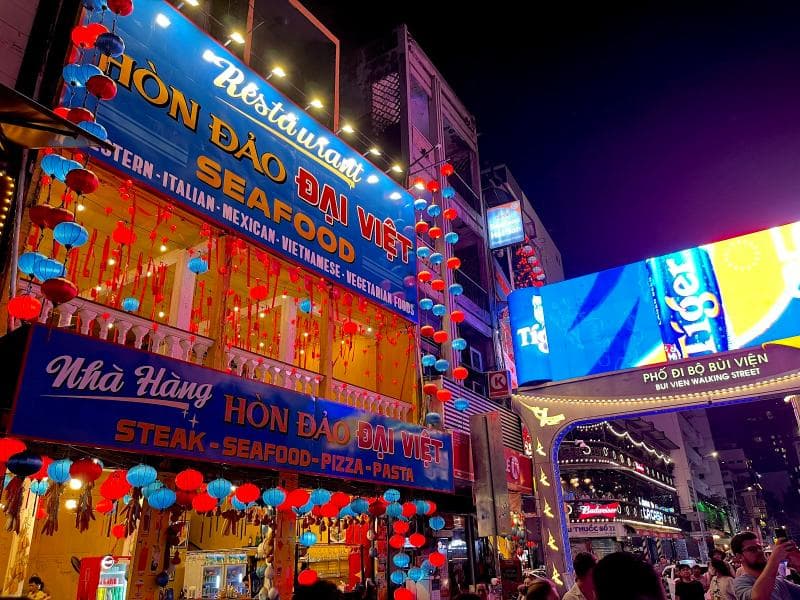
Discover Bui Vien Walking Street in Ho Chi Minh City, Vietnam, a vibrant backpacker hub known for its electrifying nightlife, diverse street food, and cultural blend.
Overview
Bui Vien Walking Street, nestled in the heart of Ho Chi Minh City's District 1, is renowned as the vibrant pulse of the city's nightlife and its unofficial 'Backpacker District'. Often referred to by locals as 'Western Street' (Pho Tay) or 'Khao San Saigon', it stretches approximately 850 meters and encompasses the surrounding streets of De Tham and Pham Ngu Lao, forming a lively hub for travelers worldwide.
This bustling thoroughfare truly comes alive after sunset, transforming into a pedestrian-only zone on weekend evenings from 7:00 PM to 2:00 AM. During these hours, vehicles are prohibited, allowing the street to fill with an energetic mix of neon lights, pulsating music, street performances, and diverse culinary offerings. It serves as a melting pot where cultures intersect, inviting visitors to immerse themselves in Saigon's dynamic after-dark scene.
History & Cultural Background
Bui Vien Street’s transformation into the vibrant hub it is today is a fascinating journey rooted in several historical shifts. Before 1975, the area was informally known as the 'International Intersection' by journalists and artists, due to its concentration of printing shops and newsrooms surrounding the Nguyen Van Hao cinema. This period saw it as an intellectual and cultural nexus rather than a tourist spot.
After 1975, the district began to attract tourists, particularly backpackers, earning it the alternative name, 'Western Street'. A significant turning point arrived with Vietnam's 'Renovation' in 1986, which opened the country to foreign investment and tourism, drawing the first waves of international visitors to the area.
In 1993, the renowned travel guide Lonely Planet featured Bui Vien Street, catapulting it onto the global travel map and significantly increasing its visibility to budget travelers. This led to a rapid expansion of guesthouses, budget hotels, travel agencies, bars, and restaurants, solidifying its identity as a backpacker haven.
The official designation of Bui Vien as a walking street occurred in 2017. It was opened to pedestrians on July 15, 2017, and officially inaugurated as a walking street on August 20, 2017, becoming the second of its kind in Ho Chi Minh City after Nguyen Hue Street. The street itself is named after Bui Vien (1839–1878), a notable Vietnamese reformer and diplomat of the Nguyen Dynasty.
What Makes It Special
Bui Vien Walking Street stands out for its electrifying atmosphere and constant buzz that differentiates it from other areas of Ho Chi Minh City. It is a sensory explosion of neon lights, loud music, and the aroma of diverse street food, creating an unforgettable urban spectacle.
The street's vibrant nightlife is characterized by an abundance of open-air bars and pubs, where DJs spin everything from Vietnamese pop to EDM, and live bands perform various genres. This contributes to a unique auditory experience, with sounds from different venues often blending together. Beyond the music, visitors can enjoy captivating street performances, including fire dancers, musicians, and breakdancers, which add to the street's dynamic charm.
Culinary adventurers will find a wide array of choices, from traditional Vietnamese street food like banh mi and grilled seafood to international cuisines, catering to diverse palates. The street is also lined with numerous coffee shops, massage parlors, and souvenir shops, offering a comprehensive experience for travelers. The pedestrian-only status on weekend evenings transforms the street into a large, communal party space, fostering an environment where locals and international visitors freely mingle and share experiences.
Stories, Fun Facts & Local Details
The nickname 'Western Street' (Pho Tay) for Bui Vien is more than just a label; it reflects the significant influx of Western tourists, particularly backpackers, who have shaped its character. This concentration of international visitors has fostered a multicultural environment where English is widely spoken, making it an accessible and welcoming place for global travelers.
Interestingly, the area comprising Bui Vien, De Tham, and Pham Ngu Lao is collectively known as the 'Backpacker District' by locals. This moniker underscores its role as a practical base for budget travelers, offering affordable accommodation, food, and travel services.
For those seeking a more traditional Vietnamese experience within the lively street, observing the subtle social dynamics can be insightful. Locals might often gravitate towards one side of the street, while expats and other tourists might prefer the other, though the boundaries are fluid and interaction is common.
Visitors will find practical amenities such as public Wi-Fi, restrooms, and information desks available to enhance their experience. The cost of local beer is generally affordable, with many establishments offering happy hour deals, making it a popular spot for budget-conscious travelers. While the street is famous for its loud music and boisterous atmosphere, smaller alleys and side streets often reveal quieter, more local eateries for those seeking a brief escape from the main hustle.
Visitor Perspective
From a visitor's perspective, Bui Vien Walking Street offers a lively and often overwhelming experience, reflecting both the energetic spirit of Ho Chi Minh City and the common challenges of a popular tourist destination. It's a place designed for socializing, people-watching, and immersing oneself in a vibrant cultural exchange. Many find it an unforgettable part of their Saigon journey, appreciating the opportunity to connect with diverse individuals from across the globe.
However, visitors should be prepared for a loud, crowded, and overtly tourist-oriented environment, especially on weekend evenings. To maximize enjoyment, planning a visit during these peak hours is recommended to witness the street at its most energetic. It's advisable to remain vigilant and keep personal belongings secure, as pickpocketing can occur in crowded areas.
Engaging with vendors and service providers typically involves discussing prices upfront to avoid misunderstandings. While the atmosphere is generally friendly, ignoring aggressive sellers or touts is often the best approach. Compared to the more relaxed ambiance of Nguyen Hue Walking Street, Bui Vien offers a distinctly different, more intense, and party-centric experience. Despite its boisterous nature, it remains easily accessible from other major attractions in District 1, making it a convenient stop for an evening of unique Saigon entertainment.
Coordinates: 106.693979, 10.767421
View on Google Maps💬 How Travelers Describe This Place
Based on community votes
Beautiful
922Must See
665Interesting
379Unique
183Photogenic
19
Traveler Stories
Discover memorable experiences shared by travelers who have visited this place.
No traveler stories yet.
Be the first traveler to share what made this place memorable.
Things to see at Bui Vien Walking Street



Tour
By
Spot
Discover amazing places around the world. Your journey starts here.
Explore
© 2026 TourBySpot. All rights reserved.