Buddha Statues
Chiang Mai, Thailand
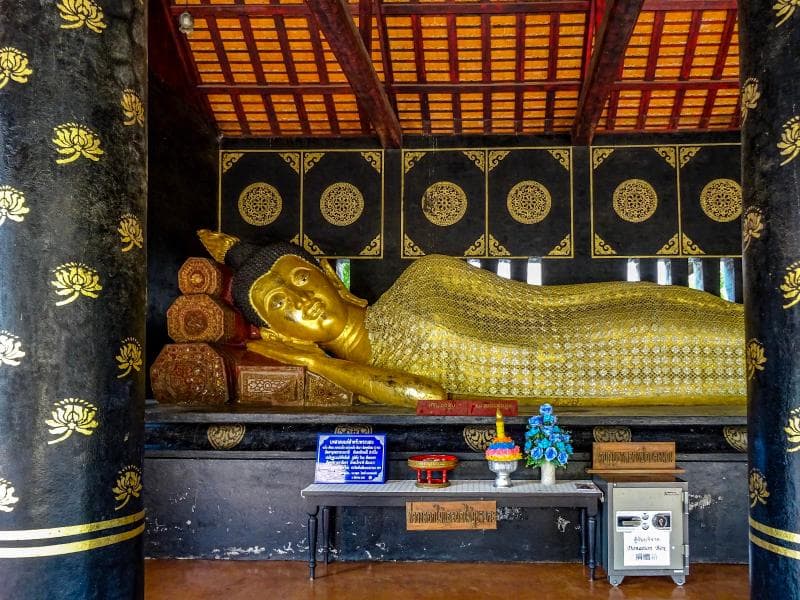
Explore sacred Buddha statues at Wat Chedi Luang in Chiang Mai, Thailand, including the Emerald Buddha replica and historic Phra Chao Attarot.
Overview
Nestled in the ancient heart of Chiang Mai, Thailand, Wat Chedi Luang is a venerable Buddhist temple complex renowned for its magnificent chedi and the sacred Buddha statues housed within its serene grounds. This historic site, whose name translates to 'Temple of the Great Stupa', offers visitors a profound glimpse into Thailand's rich Lanna heritage and spiritual traditions. While the awe-inspiring, partially ruined chedi commands attention, the various Buddha images scattered throughout the temple complex are central to its religious and cultural significance, each holding stories of devotion and history.
Key among these is the revered replica of the Emerald Buddha, known officially as Phra Phut Chaloem Sirirat or commonly as Phra Yok, enshrined in the eastern niche of the great chedi. Additionally, the main viharn (assembly hall) proudly presents the Phra Chao Attarot, a towering standing Buddha image from the late 14th century. Exploring the temple grounds reveals further impressive statues, including a tranquil reclining Buddha and the distinctive 'Phra Katchayana' or 'Fat Buddha', each inviting contemplation and respect.
History & Cultural Background
Wat Chedi Luang's origins trace back to the late 14th century, when King Saen Muang Ma initiated its construction in 1391 as a resting place for his father's ashes. The monumental chedi, initially planned to rise 'as high as a dove could fly,' was eventually completed in the mid-15th century during King Tilokaraj's reign, becoming the tallest structure in the Lanna Kingdom, reaching approximately 82 meters in height.
For nearly a century, from 1468 to 1551, the chedi held Thailand's most revered artifact, the Emerald Buddha. Its presence elevated Wat Chedi Luang to national prominence and spiritual authority within the Lanna Kingdom. However, a catastrophic earthquake in 1545 severely damaged the upper portion of the chedi, reducing its height by about 30 meters. Not long after, in 1551, the Emerald Buddha was moved to Luang Prabang and later to Vientiane before eventually finding its permanent home at Wat Phra Kaew in Bangkok.
Despite the loss of its most famous resident, Wat Chedi Luang remained a vital spiritual hub. In 1995, commemorating the 600th anniversary of the chedi, a replica of the Emerald Buddha, crafted from black jade, was ceremoniously placed in the eastern niche, symbolizing its historical significance and ongoing spiritual connection.
What Makes It Special
The Buddha statues at Wat Chedi Luang are special not only for their artistic merit but also for the stories and spiritual weight they carry. The replica Emerald Buddha, Phra Yok, serves as a poignant reminder of the temple's past glory as the temporary home of the original, highly venerated icon. Its placement in the reconstructed eastern niche allows visitors to connect with centuries of history and devotion.
The Phra Chao Attarot, the 'Eighteen-cubit Buddha' in the main viharn, is a magnificent bronze standing Buddha from the late 14th century. Its imposing size and serene expression make it a focal point for worship and meditation. The temple also features other distinct Buddha images, such as the Reclining Buddha, offering different iconic poses and spiritual interpretations. These statues are not merely decorative; they are active subjects of reverence, embodying Buddhist teachings and providing a focus for spiritual practice. The various architectural styles of the viharns housing these statues, reflecting Lanna and other influences, further enhance their unique appeal.
Stories, Fun Facts & Local Details
One fascinating aspect is the journey of the original Emerald Buddha. It resided in Wat Chedi Luang for 85 years after being brought from Chiang Rai by King Tilokarat. Its subsequent relocation after the earthquake, and its eventual resting place in Bangkok, highlight the statue's turbulent yet significant history as a palladium, believed to bring prosperity to the kingdom it resided in. The black jade replica, Phra Yok, was specifically created to mark the temple's 600th anniversary, the 700th anniversary of Chiang Mai, and the 50th anniversary of the Thai king's reign, making it a modern tribute deeply rooted in historical context.
Visitors might also discover the Phra Katchayana, or 'Fat Buddha,' often associated with wisdom and good fortune. Locals visit this image hoping to gain insight. The presence of numerous smaller Buddha images around the chedi and within other pavilions further enriches the spiritual landscape, each contributing to the temple's overall sanctity. The temple grounds also host the city pillar (Lak Mueang) of Chiang Mai, Sao Inthakin, which is believed to protect the city, and is celebrated annually with a festival in May.
Visitor Perspective
Visiting the Buddha statues at Wat Chedi Luang is an immersive cultural and spiritual experience. As you walk through the complex, the majestic scale of the chedi and the intricate details of the Buddha images evoke a sense of profound history and tranquility. Observe locals offering prayers and making merit, providing insight into daily Buddhist life.
Respectful attire, covering shoulders and knees, is required when entering the temple grounds, and shoes must be removed before entering any halls housing Buddha images. Engaging in the 'Monk Chat' program, often held under a tree in the temple grounds, offers a unique opportunity to converse with resident monks, learn about Buddhist philosophy, and ask questions about the temple's history and practices. This direct interaction provides a deeper understanding of the spiritual significance of the Buddha statues and the temple as a whole. The atmosphere is one of reverence, making it a perfect place for reflection and appreciating the enduring legacy of Buddhism in Northern Thailand.
Coordinates: 98.986794, 18.787687
View on Google Maps💬 How Travelers Describe This Place
Based on community votes
Unique
674Beautiful
503Photogenic
261Must See
92Interesting
49
Traveler Stories
Discover memorable experiences shared by travelers who have visited this place.
No traveler stories yet.
Be the first traveler to share what made this place memorable.

Tour
By
Spot
Discover amazing places around the world. Your journey starts here.
Explore
© 2026 TourBySpot. All rights reserved.