Budapest History Museum
Budapest, Hungary
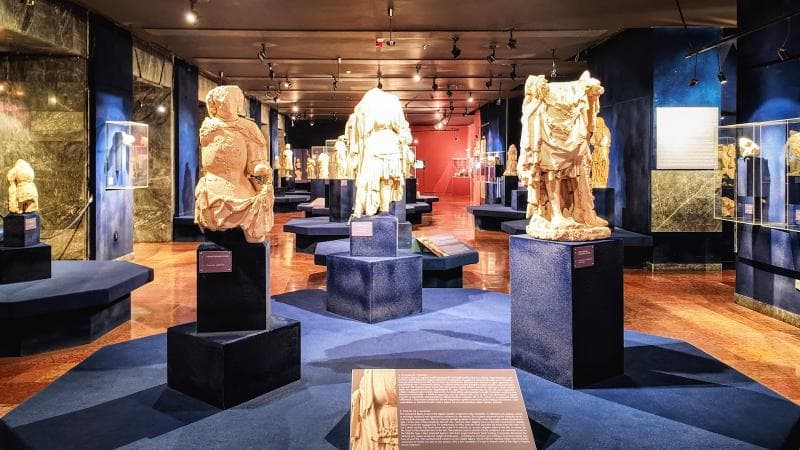
Explore Budapest's 2000-year history at the Budapest History Museum within Buda Castle, Hungary. Discover ancient artifacts, medieval royal palace remnants, and cultural treasures.
Overview
Nestled within the majestic Buda Castle, a UNESCO World Heritage site, the Budapest History Museum (Budapesti Történeti Múzeum, also known as the Castle Museum) offers a captivating journey through the rich past of Hungary's vibrant capital. Located in the southern wing, Building E, of the sprawling castle complex, this essential institution chronicles the fascinating 2000-year history of Budapest, its iconic castle, and the wider region.
As you step inside, you're invited to explore the city's evolution from prehistoric settlements to its modern-day grandeur. The museum's comprehensive collections provide deep insights into the lives of Budapest's inhabitants through various eras, making it an indispensable stop for anyone eager to understand the soul of this Central European gem.
History & Cultural Background
The genesis of the Budapest History Museum dates back to 1887 when the municipal authorities of Budapest recognized the importance of preserving the capital's heritage. Their decision led to the establishment of a museum solely dedicated to the city's history.
After several relocations, the central branch of the museum found its permanent home in the newly renovated Royal Palace within Buda Castle in 1967. This location is particularly poignant, as Buda Castle itself boasts a storied past, with its initial completion in 1265. The current Baroque palace, which houses the museum, was constructed between 1749 and 1769.
The museum's narrative brilliantly unfolds the transformation of three distinct cities—Buda, Pest, and Óbuda—and their momentous unification in 1873 to form what we know today as Budapest. This historical context is vital, as the museum's core collection was meticulously assembled from archaeological excavations, building sites, and earlier historical compilations, all shedding light on Budapest's continuous development.
What Makes It Special
What truly sets the Budapest History Museum apart is its remarkable collection and its unique setting. The exhibits traverse a vast timeline, beginning with prehistoric artifacts, pottery, and ceramics, and continuing through the Roman period in Hungary, right up to the modern era.
Among its most compelling features are the awe-inspiring Gothic statues of courtiers, squires, and saints, unearthed during excavations in 1974. These statues offer a rare glimpse into the medieval royal court that once thrived here.
A highlight for many visitors is the opportunity to descend into the museum's two-level basement. Here, you'll discover the Royal Chapel and three magnificent 15th-century rib-vaulted Gothic halls, which are among the few surviving interiors from the pre-war Royal Palace. This excavated site of the medieval royal palace provides a tangible connection to the grandeur of Hungarian kings.
The museum also meticulously recreates living spaces and showcases items related to everyday Hungarian life, providing a relatable human element to its extensive historical survey.
Stories, Fun Facts & Local Details
The history of Buda Castle, and consequently the museum, is one of resilience. Much of the castle was tragically destroyed during World War II, making the surviving architectural elements and artifacts within the museum even more precious. These remnants serve as powerful testaments to the city's enduring spirit and its capacity for rebirth.
Visitors can delve into fascinating details of royal life, exploring replicas of fine books from King Matthias Corvinus's Renaissance library (Corviniana), a medieval latrine, and even the accommodations of castle guards. These elements paint a vivid picture of the palace's past inhabitants and their daily routines.
The museum effectively tells the story of how Buda, Pest, and Óbuda functioned as separate entities before their eventual unification in the late 19th century, a pivotal moment in the city's identity. The museum's dedication to archaeological research is also notable, with its archaeologists actively leading excavations throughout Budapest, constantly enriching the collections and our understanding of the city's deep roots. For an enhanced experience, dual-language signs and audio guides are typically available, ensuring a comprehensive visit for international travelers.
Visitor Perspective
Exploring the Budapest History Museum is an immersive experience that transports you through time. Its location within the historic Buda Castle adds an extra layer of enchantment, allowing visitors to seamlessly blend their museum visit with a stroll through the charming Castle District. Plan to spend at least half a day here, especially if you wish to thoroughly explore the museum's multiple floors and engage with the exhibits.
To avoid larger crowds, consider visiting on weekdays, particularly in the late afternoon, or outside of peak tourist seasons. Booking tickets online in advance is often recommended, especially during busier periods. The museum is generally open daily from 10:00 to 18:00, with closing time for entry usually at 17:30. Many travelers find combining their visit with other attractions on Castle Hill, such as the Hungarian National Gallery, to be a rewarding way to spend their day.
Coordinates: 19.03972, 47.49611
View on Google Maps💬 How Travelers Describe This Place
Based on community votes
Unique
551Beautiful
547Must See
336Interesting
298Photogenic
212
Traveler Stories
Discover memorable experiences shared by travelers who have visited this place.
No traveler stories yet.
Be the first traveler to share what made this place memorable.

Tour
By
Spot
Discover amazing places around the world. Your journey starts here.
Explore
© 2026 TourBySpot. All rights reserved.