Brusa Bezistan
Sarajevo, Bosnia and Herzegovina
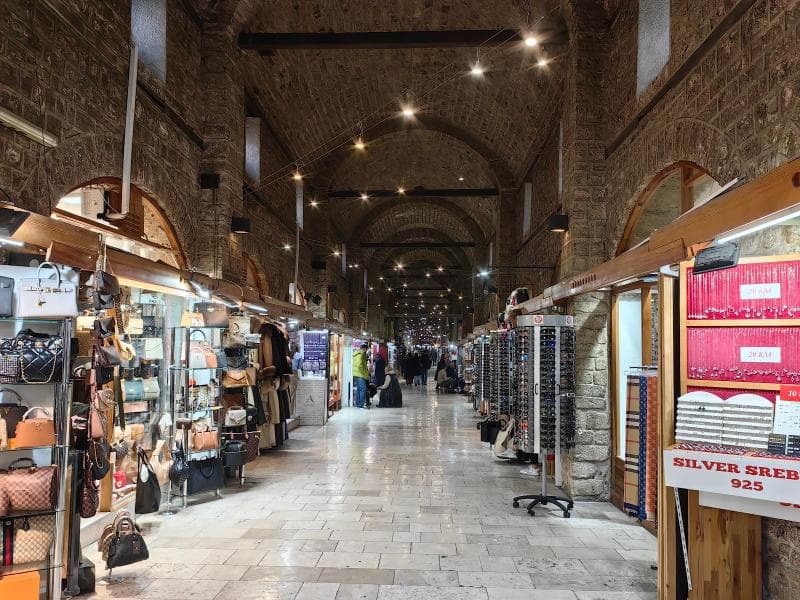
Explore Brusa Bezistan in Sarajevo, Bosnia and Herzegovina, a 16th-century Ottoman silk market turned museum, showcasing the city's rich history and culture.
Overview
Tucked into the vibrant heart of Baščaršija, Sarajevo's Old Bazaar, lies the Brusa Bezistan, a captivating historical building that now serves as an annex of the Museum of Sarajevo. Once a bustling 16th-century covered market, it is today a treasure trove of the city's past, housing a rich archaeological and ethnological collection. With its distinctive domes and robust stone architecture, Brusa Bezistan invites visitors to step back in time and explore the layered history of Sarajevo, from its earliest human settlements to the Ottoman and Austro-Hungarian eras.
This cultural gem offers a concise yet comprehensive journey through Sarajevo's evolution, showcasing artifacts and exhibits that paint a vivid picture of daily life, trade, and cultural shifts over millennia. It stands as a testament to the city's enduring spirit and its role as a crossroads of civilizations.
History & Cultural Background
The Brusa Bezistan was built in 1551 by Rustem Pasha, the Grand Vizier of Sultan Suleiman the Magnificent. Its construction marked a significant development in Sarajevo's commercial landscape during the Ottoman period. The name 'Brusa' (or Bursa) originates from the city in present-day Turkey, renowned for its fine silk, which was the primary commodity traded within these very walls.
Unlike other bezistans (covered markets) in Sarajevo, which might have specialized in groceries, Brusa Bezistan was primarily dedicated to the silk trade, but also offered household items and small furniture. It quickly became a vital center of commerce, drawing merchants, craftsmen, and travelers from across the Ottoman Empire and beyond, fostering a dynamic exchange of goods, ideas, and cultures.
Architecturally, the bezistan is a monumental stone structure with a rectangular base, characterized by its six large domes and two smaller ones. Its robust design, featuring thick stone walls and arches, reflects the exceptional craftsmanship of the era and was intended to protect valuable goods. The smaller domes originally covered spaces used to store important archival documents and seals, highlighting its administrative as well as commercial importance.
Throughout its long history, Brusa Bezistan has witnessed Sarajevo's many transformations. Damaged during the Bosnian War (1992-1995), it underwent extensive restoration, allowing it to continue its role in preserving and presenting the city's rich heritage.
What Makes It Special
What sets Brusa Bezistan apart is its dual identity: it is both a historical artifact and a museum within itself. The very building, with its 16th-century Ottoman architecture, tells a story of enduring trade and cultural convergence. Walking through its stone corridors and beneath its domed ceilings, one can almost hear the echoes of ancient transactions and feel the pulse of a bygone era.
As part of the Museum of Sarajevo, Brusa Bezistan today hosts a permanent exhibition that chronologically unfolds the city's past. The collection spans from prehistoric archaeological finds to artifacts from the ancient period, the Middle Ages, and crucially, the Ottoman and Austro-Hungarian administrations. This comprehensive scope makes it a unique window into Sarajevo's layered identity.
A notable highlight within the museum is the meticulously crafted scale model of Old Čaršija, depicting Sarajevo during the height of Ottoman rule. Created in the 1950s by master designer Husein Karišik, this model, often accompanied by interactive displays, offers an unparalleled visual understanding of the city's historic layout and urban fabric. Additionally, visitors can marvel at exhibits such as the most expensive equipment of an Ottoman warrior, adding a vivid touch of military history to the commercial and cultural narratives.
Stories, Fun Facts & Local Details
The name 'Brusa Bezistan' itself holds a story, directly linking Sarajevo to Bursa, a city in Anatolia famous for its silk production. This connection underscores the vast trade networks that spanned the Ottoman Empire and positioned Sarajevo as a crucial commercial hub.
Imagine the scene centuries ago: the bezistan would have been a vibrant, aromatic space, filled with the rustle of fine silks, the murmur of bargaining, and the chatter of merchants speaking various languages. It was a true melting pot, where different cultures intersected daily through the exchange of goods.
Today, Brusa Bezistan continues to be a meeting point, albeit in a different capacity. It's often praised by visitors for its peaceful atmosphere, offering a quiet escape from the bustling streets of Baščaršija. Many travelers find they can explore its fascinating exhibits without the crowds typically associated with major museums, allowing for a more intimate and reflective experience.
The museum's exhibits are not just static displays; they are narratives. For instance, the presence of the earliest example of a fleur-de-lis in Bosnia and Herzegovina within its ancient exhibits speaks volumes about the deep historical roots of local symbolism.
Visitor Perspective
Visiting Brusa Bezistan offers a rewarding experience for any curious traveler seeking to understand Sarajevo beyond its surface. Located conveniently within Baščaršija, it's an easy addition to any stroll through the old town.
The museum is compact, allowing visitors to comfortably explore its two floors of exhibits in under an hour, yet it's rich enough to reward those who linger over its detailed displays. The chronological arrangement of artifacts provides a clear and engaging overview of Sarajevo's long and complex history, from prehistoric times through the Ottoman and Austro-Hungarian periods.
Reviewers often highlight the incredible value Brusa Bezistan offers, particularly given its modest entry fee. It's a place where history comes alive not just through objects, but also through the very walls that have stood for centuries. The building's unique ambiance, with its thick stone architecture providing a cool respite in summer, enhances the sense of stepping into the past. It's an often-overlooked gem that provides a rich, authentic cultural experience, connecting you directly to the vibrant heritage of Sarajevo.
Coordinates: 18.430278, 43.858611
View on Google Maps💬 How Travelers Describe This Place
Based on community votes
Unique
799Must See
526Photogenic
424Beautiful
181Interesting
30
Traveler Stories
Discover memorable experiences shared by travelers who have visited this place.
No traveler stories yet.
Be the first traveler to share what made this place memorable.

Tour
By
Spot
Discover amazing places around the world. Your journey starts here.
Explore
© 2026 TourBySpot. All rights reserved.