Bronze Gallery
Shanghai, China
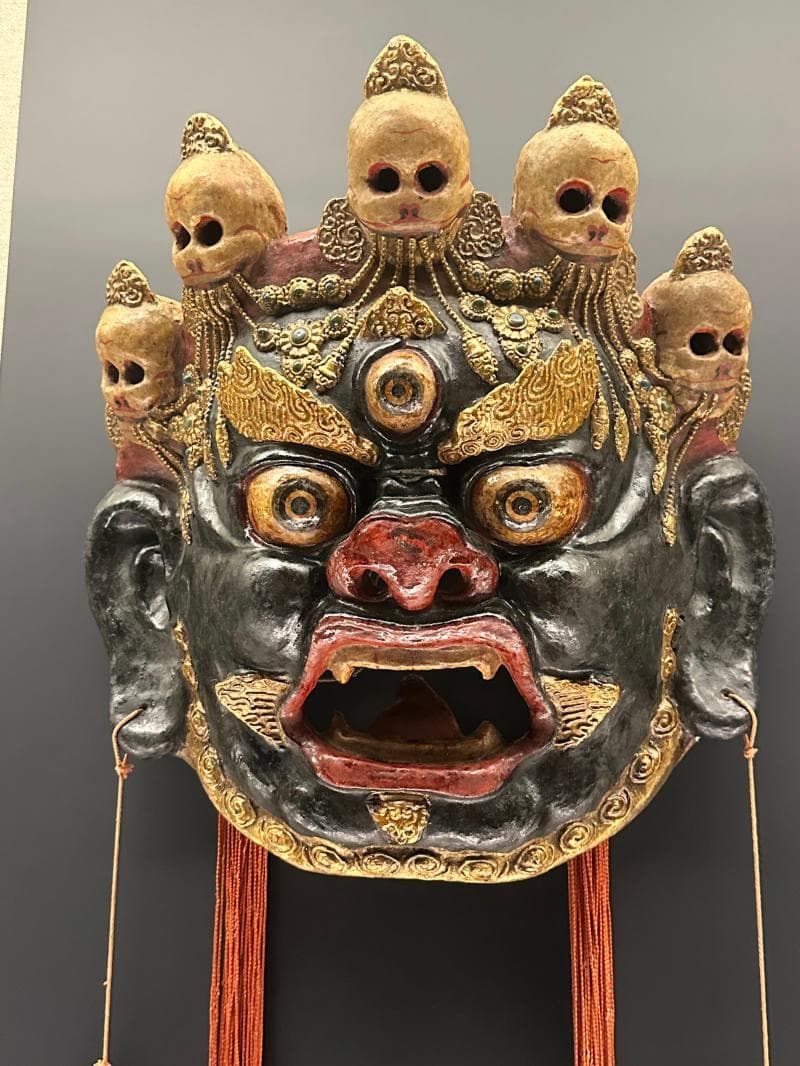
Explore the Shanghai Museum's Bronze Gallery in Shanghai, China, home to ancient Chinese bronzes. Discover 3,000 years of artistry and cultural heritage.
Overview
Stepping into the Bronze Gallery of the Shanghai Museum is like journeying back to the dawn of Chinese civilization. Located on the first floor of the iconic Shanghai Museum at People's Square, this gallery is a cornerstone of the museum's renowned collection. It presents an extraordinary panorama of ancient Chinese bronzes, showcasing over 400 meticulously crafted artifacts that span a breathtaking 3,000 years, from approximately 2100 BCE to 300 BCE.
These bronzes are far more than mere historical objects; they are tangible testaments to the birth and evolution of Chinese culture. Often referred to as 'ritual vessels,' they played pivotal roles in ancient society, serving as ceremonial offerings to gods and ancestors, official diplomatic gifts, and essential utensils at banquets. Their very existence symbolized power and was instrumental in consolidating the reign of ancient Chinese dynasties, with the types and sizes of bronzes owned reflecting the nobility's social ranks.
While the Shanghai Museum East now hosts an even larger and more comprehensive bronze exhibition, the original Bronze Gallery at People's Square remains a captivating and essential experience for anyone seeking to understand China's profound cultural legacy.
History & Cultural Background
The history of Chinese bronzes is deeply interwoven with the country's earliest dynasties, reflecting monumental advancements in art, technology, and social structure. The Bronze Age in China began with the Xia Dynasty, around the 18th to 16th century BCE, exemplified by the Erlitou Culture. During this nascent period, archaeologists have unearthed bronze containers, musical instruments, weapons, tools, and ornaments, alongside evidence of sophisticated piece-mold casting techniques. Early bronzes featured simple designs, including animal masks and turquoise inlays, and possessed inherent ritual value, marking the very beginning of a civilized society in China.
The art of bronze casting reached its zenith during the Shang and Western Zhou dynasties. The Shang period saw a proliferation of diverse and exquisite wine vessels, often adorned with elaborate animal motifs such as the intimidating taotie (animal mask), dragons, and phoenixes. These powerful and intricate designs were masterfully crafted using a mix of relief, high relief, and intaglio techniques. Following this, the Western Zhou Dynasty witnessed a shift in ritual practices, with food vessels becoming the dominant form. This era introduced ensembles of ding vessels, zhong (chime bells), and water vessels, and saw an increase in inscriptions on the bronzes, documenting historical events and family lineages.
Though their popularity waned during the Qin and Han dynasties, bronze art experienced a resurgence in the Song, Yuan, Ming, and Qing dynasties. This later period often featured 'archaistic' bronzes, inspired by earlier forms and sometimes influenced by Neo-Confucianism, leading to the creation of ritual vessels for Confucian schools and ancestral temples.
What Makes It Special
What truly sets the Bronze Gallery apart is its ability to transport visitors directly into the heart of ancient Chinese thought and craftsmanship. Each artifact is a testament to the exceptional artistry and technical innovation achieved over two millennia ago. The collection vividly illustrates the evolution of bronze casting, transforming from basic ritual implements into exquisitely decorated ceremonial and functional objects that encapsulate the beliefs, symbolism, and artistic triumphs of early China.
The sheer variety of forms, the intricate patterns, and the sophisticated casting techniques displayed in the gallery are a marvel to behold. From powerful ceremonial axes symbolizing supreme authority to delicate wine vessels, these bronzes reveal a profound understanding of metallurgy and design. They offer an unparalleled opportunity to trace the artistic progression and cultural shifts across various dynasties, showcasing how bronze became a medium for expressing social hierarchy, religious devotion, and aesthetic ideals.
Stories, Fun Facts & Local Details
Among the countless treasures, certain pieces captivate the imagination. A prominent highlight is the Da Ke Ding, a monumental bronze food vessel considered a master treasure of the Shanghai Museum's collection. Its majestic and stately form, adorned with smooth and grand decorations, perfectly blends the pictorial and sculptural art of its time. What makes it particularly fascinating is a lengthy inscription of 28 lines and 290 characters found inside, detailing a eulogy from a high-ranking official known as Shanfu.
Another enchanting artifact is the majestic owl-shaped you wine vessel, a superb example of the artistry dedicated to everyday objects. The gallery also features a magnificent coiled-dragon drum stand from the late Spring and Autumn period, displaying the intricate detail and symbolic power of these ancient creations. Keep an eye out for the pervasive animal mask, or taotie, motifs. These mythical creatures, along with dragons, rabbits, and tigers, are not merely decorative; they carry deep symbolic meanings and showcase the exceptional casting skills of ancient bronze artisans.
You might also discover a Jia, a wine vessel specifically used for sacrificial rituals, sometimes bearing soot marks on its exterior and watermarks inside, indicating its use for heating wine – a unique glimpse into ancient practices. Similarly, the imposing Square Lei, a large wine vessel from the late Shang dynasty, stands out with its six-layer high relief design and intricate cloud and thunder patterns, embodying the peak of bronze art from that era.
Visitor Perspective
The Bronze Gallery is situated on the first floor of the Shanghai Museum at People's Square, making it easily accessible for visitors. The museum itself is a modern architectural marvel, and navigating through its well-curated spaces is a pleasure. It is generally free to enter, though it is wise to check for any reservation requirements, especially during peak seasons or for popular special exhibitions.
The museum typically operates from 09:00 to 17:00, remaining closed on Mondays, except during national holidays. To enhance your experience, consider renting an audio guide, often available in English for a nominal fee, which provides detailed insights into the artifacts and their historical context. As you wander through the gallery, take your time to appreciate the subtle details and powerful stories embedded in each bronze piece. It is a truly immersive journey that connects you directly to the ingenuity and profound cultural heritage of ancient China.
Coordinates: 121.469, 31.2248
View on Google Maps💬 How Travelers Describe This Place
Based on community votes
Photogenic
996Unique
494Interesting
193Beautiful
125Must See
82
Traveler Stories
Discover memorable experiences shared by travelers who have visited this place.
No traveler stories yet.
Be the first traveler to share what made this place memorable.

Tour
By
Spot
Discover amazing places around the world. Your journey starts here.
Explore
© 2026 TourBySpot. All rights reserved.