Bridge Access
Minsk, Belarus
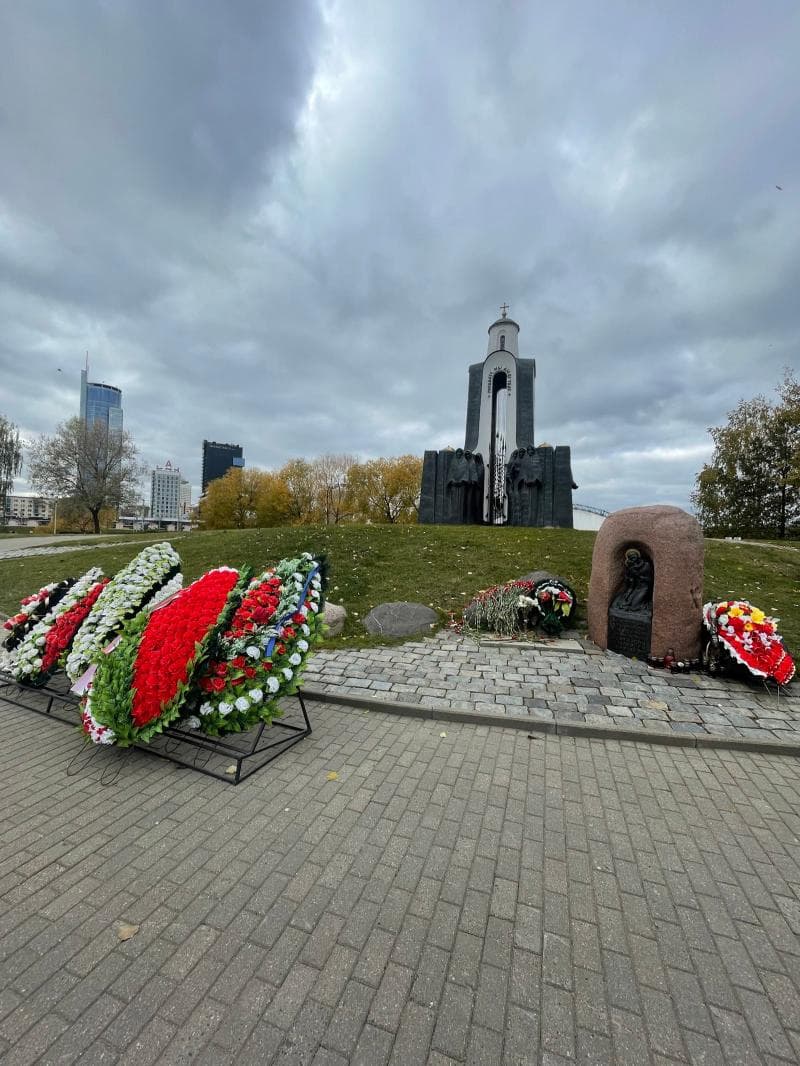
Explore the Bridge Access to the Island of Tears in Minsk, Belarus – a poignant memorial honoring soldiers lost in conflict, rich in history and powerful symbolism.
Overview
Access to the poignant Island of Tears, known locally as ‘Ostrov Slyoz’ or ‘Island of Courage and Sorrow’, is gained via a humble arched footbridge, which itself serves as the symbolic gateway to this deeply resonant memorial complex in Minsk, Belarus. Situated on an artificial island in the Svislach River, adjacent to the historic Trinity Suburb, the site stands as a solemn tribute, primarily dedicated to the Belarusian soldiers who perished during the Soviet-Afghan War between 1979 and 1989. However, its significance extends beyond this specific conflict, evolving into a broader symbol of national mourning for all Belarusian warriors lost in conflicts throughout history.
This memorial complex invites visitors to a space of quiet contemplation and remembrance. The bridge approach allows for an atmospheric transition from the vibrant city life to a place steeped in sorrow and respect. The island’s accessible nature ensures it remains a vital historical landmark, drawing those who wish to pay their respects and understand a significant chapter of Belarusian history.
History & Cultural Background
The concept for the Island of Tears memorial emerged during the ongoing Soviet-Afghan War, with construction beginning in 1985 and the complex officially opening on August 3, 1990. While some sources indicate completion in 1996, the initial dedication and opening signify its deep connection to the period of loss it commemorates. The memorial was conceived to honor the estimated 771 Belarusian soldiers who lost their lives in Afghanistan. Over time, the memorial transcended its initial purpose, becoming a symbol of remembrance for all Belarusian sons and daughters who died in battles beyond their homeland.
The central chapel's design draws inspiration from a 12th-century Polotsk church, specifically the initial appearance of the Euphrosyne of Polotsk temple, integrating ancient Belarusian architectural heritage with contemporary purpose. This blending of historical and modern elements reinforces the memorial's profound cultural resonance within Belarus, symbolizing an enduring national grief and respect for sacrifice.
What Makes It Special
The bridge itself sets the tone, an arched structure that serves as more than just a crossing; it's a passage into a different emotional space. Upon crossing, visitors encounter a stone bearing an icon of St. Mary (or Mother of God) and an inscription in Belarusian and Russian. This powerful message proclaims the memorial's purpose: 'This memorial is built in the memory of the sons who were lost in Afghanistan, on behalf of the Belarusian mothers who do not want the evil to dominate on their or any other land.'
At the heart of the island stands a chapel, its interior walls inscribed with the names of the 771 fallen soldiers. Inside, the floor subtly slopes inward, evoking the disorienting feeling of a sinking ship, a poignant architectural detail mirroring the chaos of war. Surrounding the chapel are striking bronze sculptures of grieving women, representing the mothers, wives, and sisters who endured unimaginable loss. These figures, sculpted with expressive detail, symbolize the universal pain of bereavement. A particularly moving element is the sculpture of a weeping angel, often found near the entrance, adding another layer of emotional depth to the memorial.
Stories, Fun Facts & Local Details
One of the most captivating elements is the figure of the weeping angel. Local legend holds that this angel sheds tears whenever a Belarusian soldier falls in battle, serving as a powerful, ever-present symbol of sorrow for those lost and those who returned with unseen wounds. This angel often has real water trickling from its eyes, making the symbolism even more vivid.
Another local tradition involves newlyweds. It is customary for couples to visit war memorials on their wedding day, and the Island of Tears is a frequent stop. A modern folk belief suggests that if the bride touches a particular part of a young lad's statue near the angel, it will ensure fertility. Inside the chapel, visitors can find a cross with an inlet ruby that rises above the structure, illuminated by a lantern. The red stone is said to symbolize the blood of both Jesus Christ and the fallen warriors. These details weave a rich tapestry of local belief and profound cultural meaning into the solemnity of the site.
Visitor Perspective
The Island of Tears offers a deeply moving experience for visitors. The design, from the bridge's arching form to the central chapel and surrounding statues, encourages introspection and a respectful demeanor. The atmosphere is one of quiet reverence, providing ample space for personal reflection amidst the tranquil setting of the Svislach River. Many visitors choose to leave flowers or light candles, continuing a tradition of commemoration.
Accessible year-round, the memorial is particularly pleasant during spring and fall when Minsk's weather is mild, enhancing the surrounding park's natural beauty. While open-air and accessible at all hours, daylight provides the best visibility for appreciating the intricate details of the sculptures and inscriptions. The memorial can be easily reached by walking across the footbridge from Trinity Hill, a historic district worth exploring in its own right, offering a picturesque and atmospheric approach to this significant Belarusian landmark.
Coordinates: 27.554449, 53.909784
View on Google Maps💬 How Travelers Describe This Place
Based on community votes
Interesting
961Must See
733Photogenic
695Beautiful
404Unique
336
Traveler Stories
Discover memorable experiences shared by travelers who have visited this place.
No traveler stories yet.
Be the first traveler to share what made this place memorable.

Tour
By
Spot
Discover amazing places around the world. Your journey starts here.
Explore
© 2026 TourBySpot. All rights reserved.