Bread Stalls
Bishkek, Kyrgyzstan
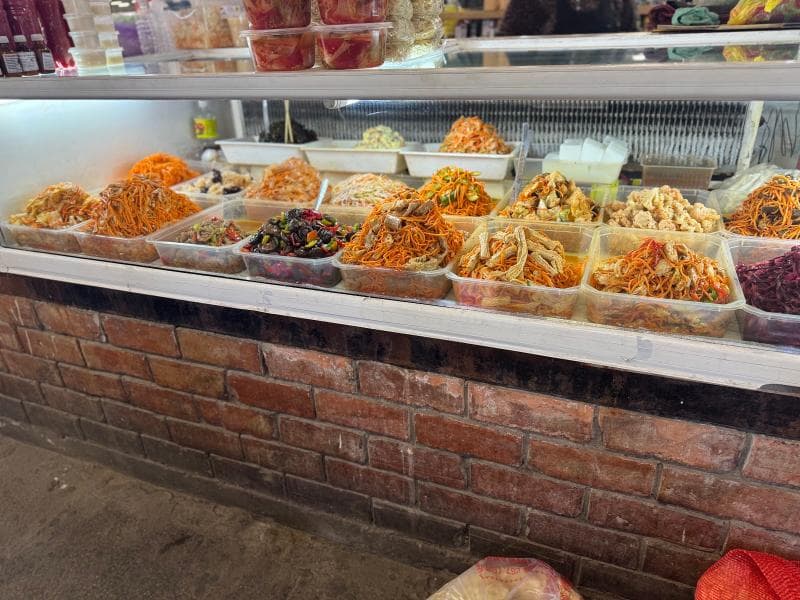
Explore the Bread Stalls at Osh Bazaar in Bishkek, Kyrgyzstan. Discover traditional Kyrgyz nan, cultural significance, and local baking traditions.
Overview
Nestled within the lively expanse of Osh Bazaar in Bishkek, Kyrgyzstan, the Bread Stalls offer a fascinating journey into the heart of Kyrgyz culture and daily life. This bustling section of the market is a treat for the senses, where the warm aroma of freshly baked bread, known as nan or lepyoshka, fills the air, blending with the cheerful sounds of vendors and shoppers. Rows upon rows of golden, artfully crafted flatbreads are stacked high, inviting visitors to experience a taste of Kyrgyzstan's culinary soul. Visiting these stalls is more than just a transaction; it's an immersive experience that reveals the profound significance of bread in Central Asian hospitality and tradition.
History & Cultural Background
Osh Bazaar itself is one of Bishkek's largest and most historic markets, with its origins rooted in the ancient Silk Road, having served as a vital trading hub for millennia. The bread sold here carries with it centuries of tradition. In Kyrgyzstan, bread holds a central and sacred place in society, symbolizing much more than simple sustenance. It embodies hospitality, identity, and a deep connection to agricultural heritage and community. For the Kyrgyz people, offering freshly baked bread to guests is the ultimate sign of welcome and is customarily the first food presented at any gathering. This deep reverence means that bread is never to be wasted or treated disrespectfully, such as by placing it on the ground. The preparation and sharing of bread are communal activities, reflecting a strong emphasis on family bonds and social unity. From daily meals to significant life events, bread remains an indispensable part of Kyrgyz rituals and celebrations.
What Makes It Special
The Bread Stalls of Osh Bazaar are unique due to the sheer variety and authenticity of the traditional breads available. The star attraction is undoubtedly Tandyr Nan, also known as lepyoshka or tokach. This iconic round flatbread is baked in a traditional clay oven called a 'tandyr', which imparts a distinctive smoky flavor, a crispy crust, and a soft, fluffy interior. Each loaf is often adorned with intricate patterns, which are not merely decorative but also serve to ensure even baking. Beyond Tandyr Nan, visitors will discover a diverse array of baked goods. Other popular types include 'boorsok', small, deep-fried dough balls often served at celebrations or with tea, and 'kattama', a layered, flaky flatbread usually prepared with oil or butter between its folds. 'Tokoch' is another variant, a thicker, denser bread. This variety showcases the rich culinary heritage and the importance of bread in the Kyrgyz diet.
Stories, Fun Facts & Local Details
The Kyrgyz word for bread is 'nan', and this term encompasses all forms of baked flour products consumed as a staple. Despite Kyrgyzstan's historical nomadic roots where grain farming was limited, cereals entered their food culture through contact with settled agricultural societies along the Silk Road. This led to a profound respect for bread, which is why it is almost ceremonially treated: it must never be placed upside down, thrown away carelessly, or wasted. Sharing bread expresses peace, trust, social honor, and respect for life itself. Bakers often press a patterned stamp, called a 'chekich', into the center of the dough before baking, creating beautiful designs and helping the bread cook evenly. Observing this traditional baking process, often in small, dedicated bakeries within or adjacent to the market, is a fascinating cultural insight.
Visitor Perspective
For any traveler to Bishkek, a visit to the Bread Stalls within Osh Bazaar is an unforgettable immersion into local culture. The experience is incredibly authentic, far removed from typical tourist attractions. You'll witness the rhythmic process of bakers at work and the careful display of their golden creations. The sheer volume and variety can be both overwhelming and exhilarating. To best enjoy the bread stalls, it is highly recommended to go in the morning when the breads are freshest and the market is buzzing with activity. Vendors often carry freshly baked naan on wooden boards, a common and authentic sight. Be prepared to use cash in Kyrgyz Som, as most vendors prefer it and some may not accept cards. While the market is generally safe, it's wise to be mindful of your belongings in crowded areas. Engaging with the vendors and trying different types of bread offers a genuine connection to the local way of life.
Coordinates: 74.594421, 42.868289
View on Google Maps💬 How Travelers Describe This Place
Based on community votes
Photogenic
995Beautiful
989Must See
613Interesting
603Unique
581
Traveler Stories
Discover memorable experiences shared by travelers who have visited this place.
No traveler stories yet.
Be the first traveler to share what made this place memorable.

Tour
By
Spot
Discover amazing places around the world. Your journey starts here.
Explore
© 2026 TourBySpot. All rights reserved.