Botanical Gardens
Hanoi, Vietnam
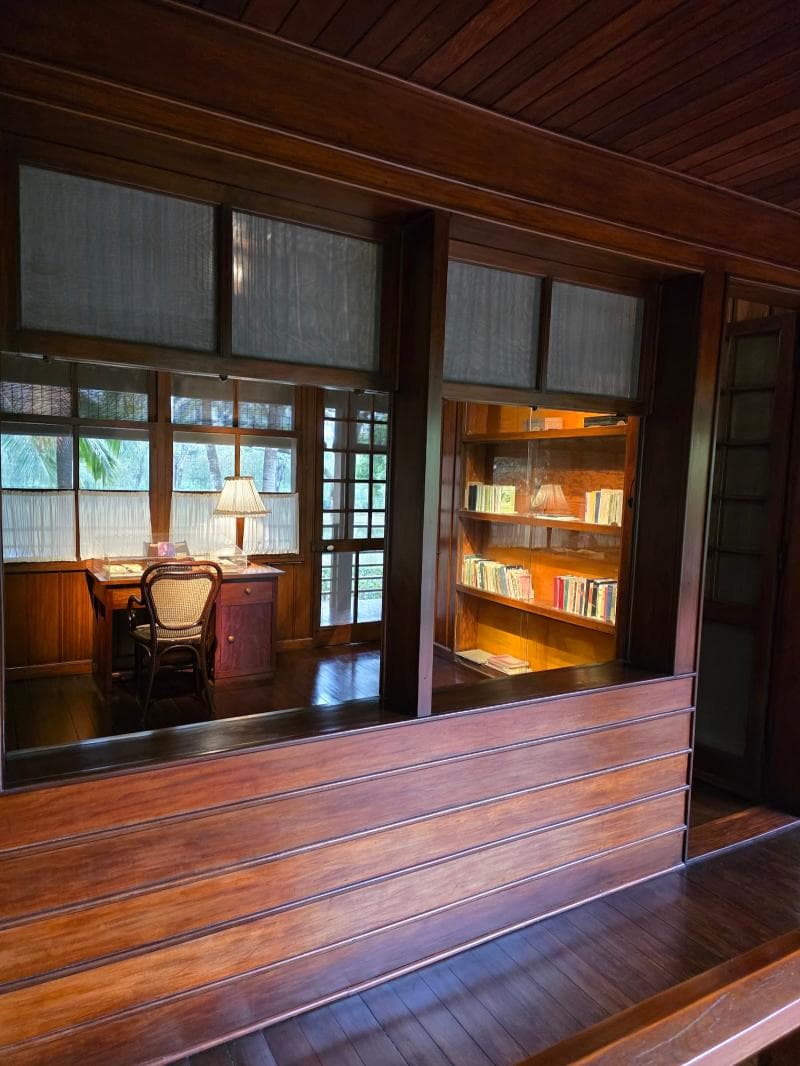
Explore the tranquil Botanical Gardens within the Ho Chi Minh Mausoleum complex in Hanoi, Vietnam, a serene retreat reflecting Uncle Ho's simple life and deep connection to nature.
Overview
Nestled within the revered Ho Chi Minh Mausoleum Complex in Hanoi, Vietnam, lie the Botanical Gardens – a verdant expanse that offers a tranquil contrast to the solemnity of the mausoleum itself. This lush area, part of the historical grounds surrounding the Presidential Palace and Ho Chi Minh's Stilt House, is not a separate, formal botanical garden but rather a beautifully maintained collection of diverse flora and serene landscapes. It's a traffic-free area of botanical gardens, providing a peaceful retreat for reflection and a deeper understanding of Vietnam's most beloved leader. As you wander through its paths, you'll discover a rich tapestry of plant life, from towering trees to vibrant flowerbeds, all meticulously cared for and imbued with historical significance. The gardens, encompassing over 10 hectares, form an integral part of the experience, offering insight into President Ho Chi Minh's simple life and profound connection to nature.
History & Cultural Background
The genesis of these Botanical Gardens traces back to the grounds of the French Colonial Governor-General's Palace, now known as the Presidential Palace. After Vietnam's independence, this grand mansion was offered to President Ho Chi Minh as his residence. However, true to his humble nature, Uncle Ho famously declined to live in the opulent palace, choosing instead a modest stilt house built within the palace grounds in 1958. This choice symbolized his dedication to the people and his preference for a simple, austere life close to nature. The surrounding gardens, therefore, became more than just decorative landscaping; they became an extension of his living and working space, reflecting his ethos. He personally engaged in tending the garden, planting trees, and caring for the carp pond, transforming the colonial grounds into a living testament to his revolutionary ideals and love for the environment. The site, officially recognized as the Ho Chi Minh Presidential Palace Historical Site, is a special national relic, preserving the environment where he spent his final 15 years.
What Makes It Special
What sets these Botanical Gardens apart is their intimate connection to President Ho Chi Minh's daily life and philosophy. The grounds boast an impressive diversity of plant species, with over 161 species from 54 plant families, including 78 native and 68 foreign species. Visitors will encounter fragrant jasmines and eglantines, fruit trees like mangoes and star-apple trees from the south, and a variety of ornamental plants. Many trees hold special meaning, either planted by Ho Chi Minh himself, named by him, or gifted from various regions of Vietnam and friendly nations, symbolizing national unity and international solidarity. A prominent feature is the serene carp pond, where Uncle Ho would often feed the fish, an activity that offered him solace and reflection. The stilt house itself, a simple wooden structure, is harmoniously integrated into this natural setting, emphasizing the leader's profound appreciation for a life in tune with his surroundings.
Stories, Fun Facts & Local Details
The Botanical Gardens are rich with stories that illuminate the character of President Ho Chi Minh. It is said that he regularly practiced martial arts and tai chi with his guards within these very gardens. His famous 'Tet planting trees' initiative, launched in November 1959, encouraged the Vietnamese people to plant trees annually, reflecting his foresight and commitment to environmental protection and national prosperity. He believed that planting trees was not merely an agricultural task but an act of educating people on their responsibility towards the environment. A touching detail is the milk fruit tree (vú sữa) gifted by southern compatriots in 1954, planted in the garden, symbolizing the yearning for national reunification. Ho Chi Minh's humble lifestyle is further highlighted by anecdotes of him reminding staff to save space for growing vegetables, even chiding them good-naturedly if their vegetable plots weren't as bountiful as those of the people. These personal touches transform the gardens from a mere collection of plants into a profound narrative of a leader's life.
Visitor Perspective
For visitors, exploring the Botanical Gardens offers a deeply immersive and reflective experience, a welcome respite from the bustling streets of Hanoi. Walking along the pebbled paths shaded by ancient trees, one can almost sense the presence of Uncle Ho, who cherished these grounds. It's an opportunity to connect with history in a living, breathing environment, rather than through static museum exhibits. The quiet ambiance encourages contemplation on Ho Chi Minh's legacy, his simple life, and his love for his country and its natural beauty. The meticulously maintained flora and the peaceful carp pond create a serene atmosphere, making it a powerful place for both domestic and international visitors to pay their respects and gain a deeper appreciation for the man who shaped Vietnam's destiny.
Coordinates: 105.83472, 21.03667
View on Google Maps💬 How Travelers Describe This Place
Based on community votes
Beautiful
685Interesting
472Must See
446Unique
399Photogenic
92
Traveler Stories
Discover memorable experiences shared by travelers who have visited this place.
No traveler stories yet.
Be the first traveler to share what made this place memorable.

Tour
By
Spot
Discover amazing places around the world. Your journey starts here.
Explore
© 2026 TourBySpot. All rights reserved.