Boim Chapel
Lviv, Ukraine
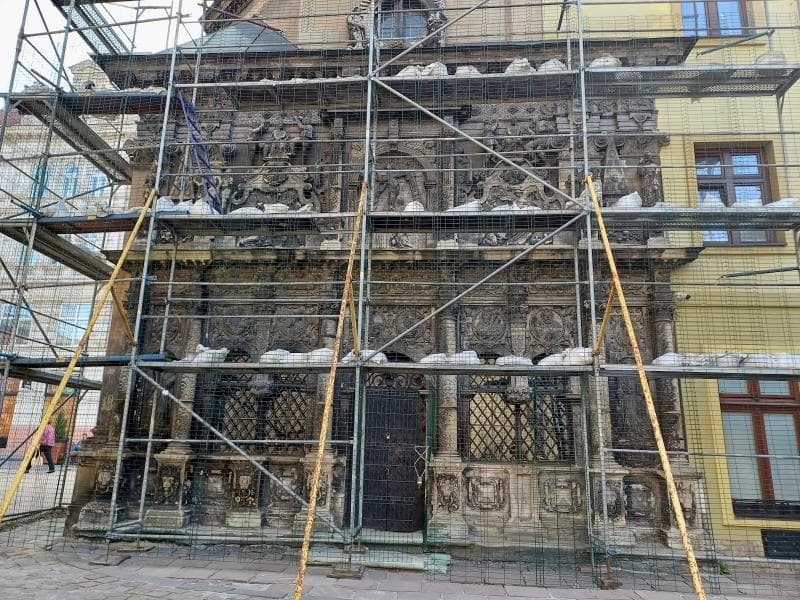
Explore Boim Chapel in Lviv, Ukraine, a 17th-century architectural marvel known for its intricate 'Bible for the poor' facade and Pensive Christ sculpture.
Overview
Nestled within the historic heart of Lviv, Ukraine, the Boim Chapel stands as an extraordinary monument of late Renaissance architecture, a true masterpiece unlike any other in the region. This small yet profoundly intricate chapel, built between 1609 and 1615, was originally conceived as a family mausoleum for the wealthy Hungarian merchant, Jerzy (George) Boim, and his descendants. Its dramatic, heavily carved exterior and richly adorned interior offer a compelling glimpse into the artistic and religious fervor of 17th-century Lviv. Today, the Boim Chapel functions as a branch of the Borys Voznytskyi Lviv National Art Gallery, allowing visitors to step inside this unique 'stone Bible' and marvel at its unparalleled sculptural narratives and artistic grandeur.
History & Cultural Background
The story of Boim Chapel begins with Jerzy Boim, a successful cloth merchant of Hungarian origin who settled in Lviv. He accumulated significant wealth through trade and served as a burgomaster, becoming a prominent figure in the city's patrician class. The chapel was commissioned by him around 1609 as a burial place for his family, a testament to their status and piety. Construction was completed by 1615, with his son Paweł Boim overseeing the final stages.
Lviv, at the time, was a thriving multicultural hub within the Polish-Lithuanian Commonwealth, and the chapel's design reflects a blend of Renaissance and Northern Mannerist influences. The principal architect is believed to be Andrzej Bemer from Wrocław, while sculptors Johann Scholz and Johann Pfister are credited with much of its intricate carving. Situated on what was once a church cemetery next to the Latin Cathedral, the Boim Chapel miraculously survived the late 18th-century orders by Austrian authorities to move burial grounds outside the city, making it one of only three chapels to escape demolition.
What Makes It Special
The Boim Chapel's most striking feature is its western facade, which is almost entirely covered in extraordinarily detailed stone carvings. This facade is often referred to as a 'Bible for the poor' because its bas-reliefs depict numerous scenes from the Old and New Testaments, allowing even the illiterate to 'read' the holy scriptures through art. The Passion cycle is particularly prominent, featuring depictions of Christ's scourging, carrying the cross, crucifixion, and removal from the cross.
Above the elaborate carvings, the chapel's dome is crowned by a highly unusual sculpture: a 'Pensive Christ' or 'Christ in the Garden of Gethsemane,' depicted sitting and sorrowfully resting his cheek on his hand. The interior is equally captivating, with walls adorned in sculptural images and stucco work. The coffered dome, with its three rows of recessed panels, creates an illusion of greater height and depth within the small space. Alabaster figures of the Mother of God and Christ, surrounded by three generations of the kneeling Boim family, form a central 'Pieta' scene.
Stories, Fun Facts & Local Details
One fascinating detail within the chapel is the depiction of the Last Supper in the altar area. Here, a unique element was added: a grinning devil is subtly placed behind the chair of Judas, who has already received his thirty pieces of silver. This detail, along with the chapel's perceived 'excessive pomp,' is said to have caused the Archbishop of Lviv to refuse its sanctification for three years, a tale that adds to its mystique.
The eastern facade of the chapel features authentic fresco portraits of Jerzy Boim and his wife Jadwiga, offering a direct connection to the family who founded this architectural marvel. The chapel served as the final resting place for fourteen members of the Boim family across three generations. While it initially functioned as a sacred burial vault, a report from 1817 humorously notes that after the bodies were removed from the crypt, it was sometimes used to store wine and even 'kitchen and household items,' before eventually being repurposed as a museum branch in 1967.
Visitor Perspective
Visiting Boim Chapel offers a profound experience for anyone exploring Lviv's Old Town. Located adjacent to the Latin Cathedral in Cathedral Square, it's easily accessible and stands out dramatically amidst its surroundings. The sheer volume and detail of the external carvings often leave visitors awestruck, compelling them to spend time deciphering the biblical stories etched in stone. Inside, the intimate atmosphere, coupled with the intricate stucco and sculptural work, provides a sense of stepping back in time. While the exterior often steals the show, the interior's artistry and historical significance are equally rewarding.
As a museum branch of the Lviv National Art Gallery, the chapel typically has specific operating hours and an admission fee. It's advisable to check the official website for the most current information regarding opening times to ensure a smooth visit. Its location within the UNESCO World Heritage Site of Lviv Old Town makes it an essential stop for those seeking to immerse themselves in the city's rich history, art, and unique architectural heritage.
Coordinates: 24.031111, 49.840556
View on Google Maps💬 How Travelers Describe This Place
Based on community votes
Beautiful
728Unique
481Must See
382Interesting
183Photogenic
28
Traveler Stories
Discover memorable experiences shared by travelers who have visited this place.
No traveler stories yet.
Be the first traveler to share what made this place memorable.

Tour
By
Spot
Discover amazing places around the world. Your journey starts here.
Explore
© 2026 TourBySpot. All rights reserved.