BMW Tower Exterior
Munich, Germany
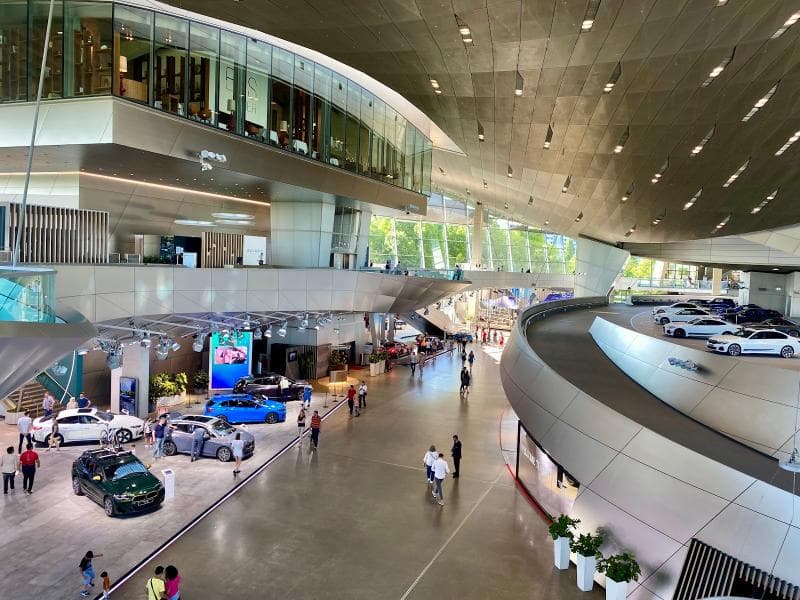
Explore the iconic BMW Tower Exterior in Munich, Germany. Discover the history, unique four-cylinder architecture, and cultural significance of this automotive landmark.
Overview
The BMW Tower Exterior, known locally as the 'BMW-Vierzylinder' or 'BMW Four-Cylinder', stands as an enduring symbol of Munich's modern architectural landscape and BMW's innovative spirit. Located in the Am Riesenfeld area of Munich, Germany, this striking skyscraper serves as the global corporate headquarters for the prestigious German automaker. Adjacent to the Olympiapark, BMW Welt, and the BMW Museum, the Tower is an integral part of a sprawling automotive campus that attracts visitors from around the globe. Its distinctive design, completed in time for the 1972 Summer Olympics, has earned it recognition as a protected historic building since 1999, making it a must-see landmark for anyone exploring Munich's blend of history and innovation.
History & Cultural Background
Conceived during a period of significant growth for BMW in the late 1960s, the company launched an architectural competition in 1968 for a new administrative center. The winning design came from Austrian architect Karl Schwanzer, whose vision was both audacious and revolutionary. Construction began in 1968 and was meticulously completed between 1970 and 1972, poised for the international spotlight of the 1972 Munich Summer Olympics. The inauguration followed on May 18, 1973, marking the official opening of BMW's new global headquarters. Schwanzer's design not only met the need for expanded office space but also delivered a powerful architectural statement. The tower's exterior was deliberately crafted to mimic the shape of a four-cylinder engine, a homage to the power and precision that defined BMW's automotive heritage, particularly the successful four-cylinder models like the BMW 1500 series.
The cultural significance of the BMW Tower extends beyond its corporate function. It quickly became an iconic feature of Munich's skyline, representing post-war Germany's embrace of modernity and technological advancement. Its prominent location next to the Olympic Park meant it was broadcast globally during the 1972 Games, even requiring the temporary removal of BMW branding to adhere to Olympic rules against product placement. Over the decades, it has been featured in popular culture, notably appearing as the headquarters of the fictional Energy Corporation in the 1975 film 'Rollerball' and later in the 1977 horror film 'Suspiria', cementing its place in cinematic history.
What Makes It Special
What truly sets the BMW Tower apart is its groundbreaking architectural and structural innovation. Rather than being built from the ground up in a conventional manner, the Tower's 22 floors are suspended from a central support core. This ingenious construction method involved first building a slender central concrete core, then assembling individual floors at ground level, which were subsequently jacked upwards and suspended from a cruciform steel structure at the top. This 'suspended construction' technique was a major engineering feat for its time, creating a visual effect where the four distinct cylindrical elements appear to hang rather than stand. The exterior is clad with approximately 3,000 aluminium façade elements, giving it a sleek and modernist aesthetic that has remarkably maintained its futuristic appeal for over five decades.
Its height, around 101 meters, with 18 office floors, offered ample space while presenting an ergonomic and flexible interior layout. The cloverleaf-shaped floor plan inside was designed to foster collaboration and productivity among employees, reflecting a forward-thinking approach to office architecture in the early 1970s. The BMW Tower stands as a bold testament to design and engineering excellence, symbolizing the company's commitment to innovation in both automotive technology and corporate presence.
Stories, Fun Facts & Local Details
- The Four-Cylinder Nickname: The most commonly known local detail is its affectionate nickname, the 'BMW-Vierzylinder' (BMW Four-Cylinder), directly referencing its design inspiration from a car engine.
- A Museum Head: Adding to the automotive metaphor, the adjacent BMW Museum, designed by the same architect Karl Schwanzer, is often said to represent the 'cylinder head' to the Tower's 'cylinders'.
- Building from the Top Down: The unique construction process, where floors were built on the ground and then lifted, was a rare and spectacular sight, demonstrating pioneering engineering.
- Olympic Connection: Its completion just before the 1972 Summer Olympics ensured it debuted on a global stage, instantly becoming a recognizable landmark of Munich.
- Enduring Design: Despite being over 50 years old, the Tower's exterior has remained virtually unchanged and is still considered a beacon of modern architecture, showcasing Schwanzer's visionary talent.
Visitor Perspective
While the BMW Tower Exterior is primarily a corporate headquarters and not publicly accessible inside, its external grandeur and surrounding campus offer a rich experience for visitors. Standing next to BMW Welt, where admission is free, you can admire the Tower's impressive structure, its gleaming aluminium façade reflecting the Bavarian sky. The panoramic views of the Tower are best enjoyed from the nearby Olympiapark or directly from the grounds of BMW Welt and the BMW Museum. The interplay between Schwanzer's modernist Tower and the distinctive 'bowl' of the BMW Museum, along with the futuristic BMW Welt, creates a compelling architectural ensemble that speaks volumes about BMW's legacy and future. It's an inspirational destination where automotive enthusiasts and architecture buffs alike can appreciate a monumental achievement in design and engineering, all set within a vibrant urban landscape.
Coordinates: 11.56, 48.17694
View on Google Maps💬 How Travelers Describe This Place
Based on community votes
Unique
953Must See
695Interesting
658Photogenic
69Beautiful
22
Traveler Stories
Discover memorable experiences shared by travelers who have visited this place.
No traveler stories yet.
Be the first traveler to share what made this place memorable.

Tour
By
Spot
Discover amazing places around the world. Your journey starts here.
Explore
© 2026 TourBySpot. All rights reserved.