BMW Museum
Munich, Germany
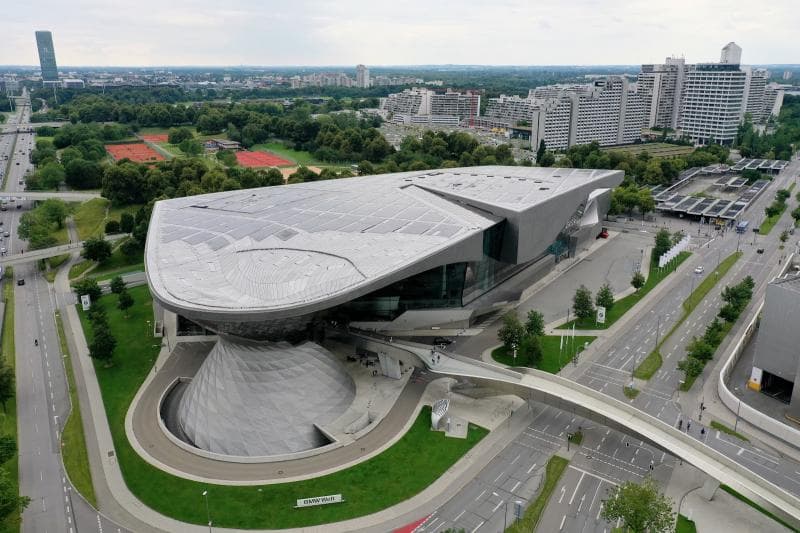
Discover the BMW Museum in Munich, Germany. Journey through a century of automotive history, iconic cars, motorcycles, and visionary designs, inspiring all who visit.
Overview
Nestled beside the iconic 'Four-Cylinder' BMW Headquarters and the dynamic BMW Welt, the BMW Museum in Munich, Germany, invites visitors on an immersive journey through over a century of innovation and design. Housed in a striking, futuristic architectural marvel often playfully dubbed the 'Weisswurstkessel' (sausage pot) or 'salad bowl', the museum presents the captivating history of the BMW brand. It is an integral part of an ensemble that also includes BMW Welt and the BMW Group Plant, offering a comprehensive experience of the brand's past, present, and future. This renowned institution is considered one of Germany's most popular museums, attracting millions of visitors keen to explore BMW's legacy in automobiles, motorcycles, and engines.
History & Cultural Background
The BMW Museum first opened its doors in 1973, shortly after the 1972 Summer Olympics held in Munich. Designed by the Viennese architect Professor Karl Schwanzer, the original circular building became an architectural landmark for both BMW and Munich. Schwanzer's design for the museum, alongside the BMW Tower, set new benchmarks in modern office architecture and created a unique concept for knowledge transfer. Initially, the museum presented a collection focusing on historical cars, motorcycles, and aircraft engines. Between 2004 and 2008, the museum underwent significant renovation and expansion, reopening with five times its former exhibition area. During this period, a new flat building was added to house the permanent exhibition, while the historic 'bowl' building was dedicated to visiting exhibits, preserving its original 1973 state. This modernization solidified its place as one of the oldest and most significant car museums in Germany.
What Makes It Special
The BMW Museum distinguishes itself through its innovative exhibition concept and a collection spanning 5,000 square meters, featuring around 120 to 125 valuable exhibits. These include an impressive array of cars, motorbikes, and engines that narrate BMW's 100-year history, from its origins to present-day designs. Visitors can explore iconic models like the BMW Isetta, the original car from the James Bond film 'Tomorrow Never Dies', and a rotating selection from the famous BMW Art Car Collection, which has seen celebrated artists like Andy Warhol and Jeff Koons transform vehicles into rolling works of art since 1975. The museum's permanent exhibition is structured into 'Seven Houses', each dedicated to a specific theme such as design, motorsport, motorcycles, or the evolution of BMW series. Beyond historical models, the museum also showcases futuristic concepts and prototypes, offering a glimpse into BMW's vision for future mobility.
Stories, Fun Facts & Local Details
The museum's architecture itself tells a story. The circular main building, often called the 'bowl', features an interior framework of circular columns and space-filling ramps, giving the impression of platforms suspended in mid-air. During the 2008 renovation, a central visitor ramp in the bowl was reinterpreted as a 'road', guiding visitors through 25 exhibition areas without crossroads, creating a seamless narrative flow. The integration of contemporary architecture with historic buildings reflects BMW's own ethos of blending tradition with innovation. Located opposite BMW Welt, where new car owners often pick up their vehicles, the museum provides a historical counterpoint, grounding the brand's future in its rich past. The museum's exhibitions are constantly evolving, with temporary showcases dedicated to special themes, such as the 50-year anniversary of the BMW Art Car Collection and the BMW 3 Series, or exploring Italian automotive design influences.
Visitor Perspective
A visit to the BMW Museum is designed to be an inspiring and engaging experience for all, not just car enthusiasts. The chronological layout guides visitors through BMW's evolution, from aircraft engines to the latest automotive innovations. Interactive exhibits allow visitors to feel the innovation and emotion behind each model, making it both educational and entertaining. The museum's strategic location next to the BMW Welt and the Olympic Park makes it easily accessible via public transport, specifically the U3 subway line to Olympiazentrum. Many visitors combine their museum tour with a visit to BMW Welt to see current models or even take a guided tour of the nearby BMW Group Plant, offering a holistic insight into the brand's world. The museum aims to provide a deeper understanding of the philosophy behind BMW's engineering precision and design clarity, making it a compelling destination for anyone curious about mobility and technological advancement.
Coordinates: 11.559, 48.177
View on Google Maps💬 How Travelers Describe This Place
Based on community votes
Unique
998Photogenic
903Interesting
481Must See
472Beautiful
92
Traveler Stories
Discover memorable experiences shared by travelers who have visited this place.
No traveler stories yet.
Be the first traveler to share what made this place memorable.

Tour
By
Spot
Discover amazing places around the world. Your journey starts here.
Explore
© 2026 TourBySpot. All rights reserved.