Blue Lagoon
Reykjavik, Iceland
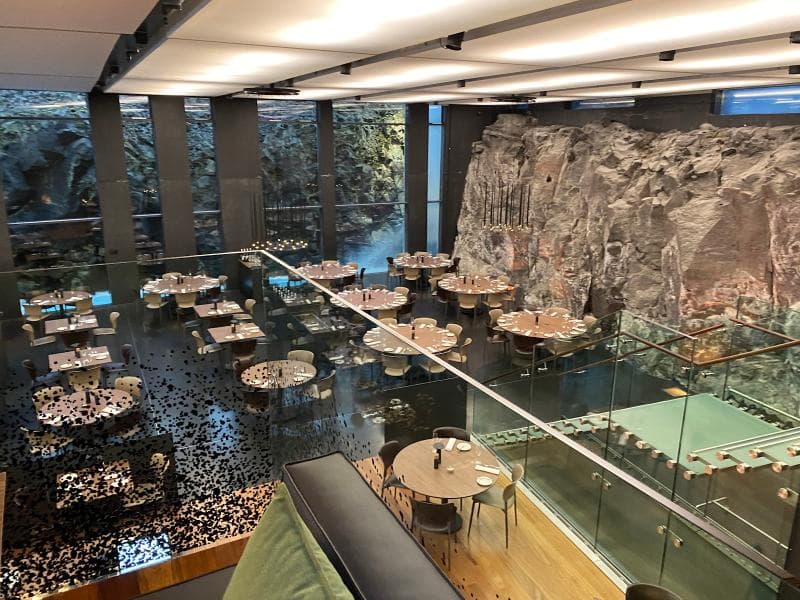
Discover the Blue Lagoon in Reykjavik, Iceland – a unique geothermal spa famed for its milky-blue, mineral-rich waters and volcanic landscapes.
Overview
The Blue Lagoon, known in Icelandic as Bláa Lónið, is a world-renowned geothermal spa located on the Reykjanes Peninsula in southwest Iceland. Situated amidst expansive lava fields, approximately 20 kilometers from Keflavík International Airport and about a 40-50 minute drive from Reykjavik, it has become one of Iceland's most iconic and visited attractions. The lagoon is celebrated for its milky-blue, mineral-rich waters, which maintain a soothing temperature of 37-39 °C (99-102 °F) year-round. While often perceived as a natural hot spring, the Blue Lagoon is a unique blend of natural geothermal processes and human innovation, having formed as a byproduct of a nearby geothermal power plant.
History & Cultural Background
The origins of the Blue Lagoon are intertwined with Iceland's drive for renewable energy. In 1976, the Svartsengi geothermal power plant was constructed to harness the superheated water from deep within the earth to generate electricity and heat for local communities. As part of its operation, excess geothermal seawater, rich in minerals, was discharged into the surrounding porous lava fields. Engineers initially expected this water to simply seep back into the ground. However, due to its high silica content, the water did not drain away but instead began to pool, gradually creating the striking lagoon seen today. Locals, driven by curiosity and Iceland's long-standing bathing culture, began to explore these warm waters. The pivotal moment arrived in 1981 when Valur Margeirsson, suffering from psoriasis, bathed in the lagoon and experienced significant relief for his skin condition. Word spread quickly about the water's therapeutic properties, leading to scientific studies that confirmed the beneficial effects of its unique composition of silica, algae, and minerals. The first official bathing facility opened in 1987, and in 1992, Blue Lagoon Limited was established to further research and develop the water's potential. The lagoon's evolution from an industrial byproduct to a world-renowned spa beautifully reflects Iceland's cultural connection to geothermal resources, a tradition that was recognized by UNESCO in 2025 for its intangible cultural heritage.
What Makes It Special
What truly sets the Blue Lagoon apart is its unique genesis and the remarkable properties of its water. It stands as a testament to how human ingenuity, combined with nature's power, can create something extraordinary. The lagoon's water is a distinctive geothermal seawater, sourced from approximately 2,000 meters below the surface, where freshwater and saltwater converge and are heated by volcanic activity. This water is exceptionally rich in three active ingredients: silica, which gives the lagoon its iconic milky-blue color by reflecting sunlight and forms the soft white mud often used by bathers; blue-green algae, known for its nourishing properties; and various minerals, particularly salts, which contribute to the water's soothing and rejuvenating effects on the skin. The water in the lagoon completely renews itself every 40 to 48 hours, ensuring its purity and maintaining a natural antibacterial balance without the need for chemical disinfectants. National Geographic recognized this unique destination as one of the '25 Wonders of the World', highlighting its blend of natural beauty, therapeutic qualities, and sustainable innovation.
Stories, Fun Facts & Local Details
The story of the Blue Lagoon is one of serendipity and discovery. It was never intentionally designed to be a spa; its existence began as an accidental overflow from the Svartsengi power plant. Initially, many Icelanders were skeptical of bathing in what was essentially power plant runoff, but the undeniable therapeutic benefits, particularly for skin conditions like psoriasis, quickly changed perceptions. In fact, the efficacy of the water is so recognized within Iceland that treatments for native patients at the Blue Lagoon are sometimes covered by their social security system, underscoring its medical and cultural significance. The lagoon holds approximately six million liters of geothermal seawater, heated naturally to a comfortable temperature. Beyond its main bathing areas, the larger Blue Lagoon complex encompasses hotels, restaurants, and a research and development center, all built in harmony with the dramatic volcanic landscape.
Visitor Perspective
A visit to the Blue Lagoon is often described as an otherworldly and surreal experience. The striking contrast of the steaming, milky-blue water against the rugged, black lava fields creates a landscape that feels both ancient and futuristic. Guests can enjoy the lagoon year-round, with each season offering a distinct ambiance; summer brings the ethereal glow of the midnight sun, while winter provides a dramatic backdrop for potential Northern Lights sightings. While the mineral-rich water is beneficial for skin, visitors are often advised to apply conditioner to their hair before entering, as the high silica content can temporarily make hair feel dry or stiff. The facility is designed to accommodate a wide range of visitors, including those with special needs, offering wheelchair access into the lagoon. Most visitors find that two hours is a comfortable amount of time to soak, enjoy a silica mud mask, and perhaps a drink from the in-water bar. Its convenient location, approximately 20 minutes from Keflavík International Airport, makes it a popular first or last stop for travelers to Iceland, offering a unique welcome or farewell to the country's geothermal wonders.
Coordinates: -22.4481, 63.8799
View on Google Maps💬 How Travelers Describe This Place
Based on community votes
Beautiful
887Interesting
856Unique
711Must See
261Photogenic
143
Traveler Stories
Discover memorable experiences shared by travelers who have visited this place.
No traveler stories yet.
Be the first traveler to share what made this place memorable.
Things to see at Blue Lagoon



Tour
By
Spot
Discover amazing places around the world. Your journey starts here.
Explore
© 2026 TourBySpot. All rights reserved.