Birdwatching Zones
Podgorica, Montenegro
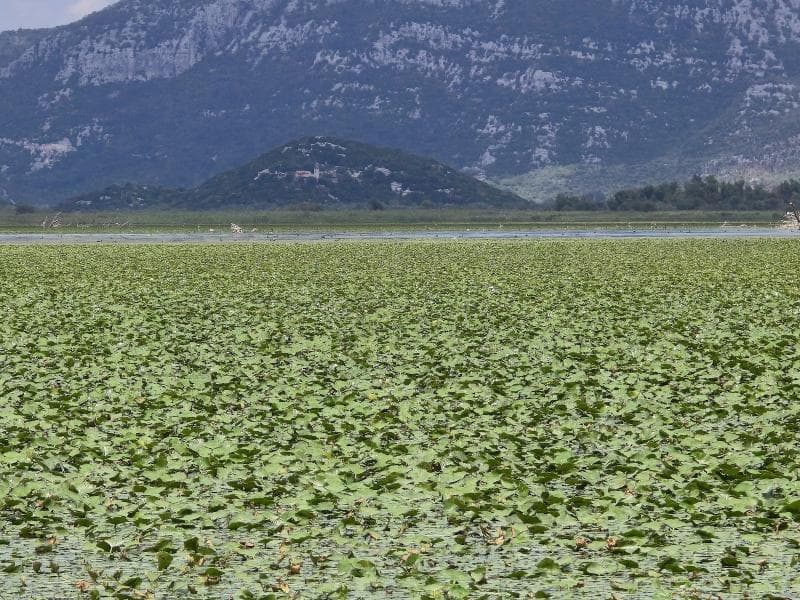
Discover Lake Skadar National Park's birdwatching zones in Podgorica, Montenegro. Explore a paradise for over 280 bird species, including the Dalmatian Pelican.
Overview
Nestled between the dramatic mountains and the Adriatic Sea, Lake Skadar National Park in Montenegro is a true natural wonder and a haven for birdlife. As the largest lake in the Balkans, it spans the border with Albania, with its Montenegrin section declared a National Park in 1983. This vast expanse of freshwater and wetlands is not just a scenic marvel; it is recognized internationally as a Ramsar site, signifying its importance as a Wetland of International Importance, and as an Important Bird Area (IBA). The unique geological feature of the lake, known as a cryptodepression, means that parts of its bottom lie below sea level, contributing to its distinctive ecological character.
The birdwatching zones within Lake Skadar National Park offer an unparalleled opportunity to connect with nature. With its diverse habitats ranging from open water and dense reed beds to marshlands and surrounding rocky terrain, the park supports an astonishing array of avian species. Visitors can explore specially constructed observation platforms or embark on tranquil boat tours to witness this vibrant ecosystem firsthand. Whether you are a seasoned ornithologist or a curious traveler, the rich birdlife here provides a captivating experience, revealing the intricate dance of nature in one of Europe's most significant bird reserves.
History & Cultural Background
The Lake Skadar basin is steeped in a rich tapestry of history and culture that dates back to the Paleolithic era, with archaeological findings suggesting early human presence and spiritual life from the Neolithic period. Throughout the centuries, this region has been a vibrant crossroads of civilizations, profoundly influencing the development of Montenegro. The lake's islands, often referred to as 'gorice,' are dotted with medieval monasteries such as Starčevo, Beška, Moračnik, and Kom, which served as crucial spiritual and cultural centers, particularly during the Ottoman period. These ancient sites bear witness to periods of profound spiritual and intellectual flourishing, with their frescoes and architecture telling tales of bygone eras.
Beyond its spiritual significance, Lake Skadar played a pivotal role as a strategic hub for trade and defense. Fortresses like Žabljak Crnojevića and Lesendro stood guard over its waters, marking centuries of skirmishes and resistance. Traditional fishing villages such as Virpazar and Rijeka Crnojevića line its shores, preserving a way of life deeply intertwined with the lake's rhythms. Here, local customs, traditional boat building, and age-old fishing practices continue to thrive, offering a glimpse into the enduring cultural heritage of the region. The lake's name itself is linked to the historic city of Shkodër, highlighting its long-standing importance in the cultural landscape of the Balkans.
What Makes It Special
Lake Skadar National Park holds a truly special place in the natural world, primarily due to its exceptional biodiversity and its role as a critical ecological corridor. It is a vital component of the Adriatic migration flyway, an aerial highway for millions of birds traveling between Europe and Africa each year. This geographical positioning makes the park an indispensable resting, feeding, and breeding ground for migratory species, leading to spectacular avian spectacles during spring and autumn.
Perhaps its most celebrated resident is the Dalmatian Pelican, one of the largest flying birds in the world and a species that faced near extinction. Lake Skadar is one of the last remaining significant nesting sites for these majestic birds, a testament to the park's successful conservation efforts. Beyond the pelicans, the park's diverse mosaic of habitats—including extensive freshwater expanses, wetlands, rocky outcrops, and Mediterranean scrub—supports over 280 bird species, making it one of Europe's largest bird reserves. This unique blend of environmental factors, from its cryptodepression geology to its varied flora, creates an incredibly rich and dynamic ecosystem, fostering a level of biodiversity that captivates every visitor.
Stories, Fun Facts & Local Details
Lake Skadar is not only a natural wonder but also a place where local legends and intriguing facts intertwine with the landscape. One enchanting local legend attributes the lake's creation to the tears of a Montenegrin fairy, whose sorrow filled the valley to create the vast waters we see today. While a charming tale, the geological reality is equally fascinating; the lake is believed to have formed through tectonic movements and erosion over centuries, with a significant event in 1858 involving the Drim River reshaping the landscape to create the expanse known today.
For bird enthusiasts, a fun fact is that the park is home to a significant portion of Europe's bird species; some sources suggest that Montenegro, lying on the Adriatic migration corridor, hosts an astonishing 65 percent of European ornithofauna. Birdwatching here often involves a serene journey in a traditional wooden boat, gliding through carpets of water lilies—locally, one might hear about the 'kasoronja,' or water chestnut, thriving alongside these blooms. Specific birdwatching platforms like those at Stanaj, Žabljačke Livade, Plavnica, and Raduš are local secrets for prime viewing, offering quiet corners to observe species like the Pygmy Cormorant or the elusive Ferruginous Duck. The sheer scale of wintering birds, sometimes up to 200,000 individuals, transforms the lake into a bustling avian metropolis, creating a truly unforgettable spectacle.
Visitor Perspective
Visiting the birdwatching zones of Lake Skadar National Park is an immersive journey into a vibrant natural world. For the curious traveler, the experience often begins in charming lakeside villages like Virpazar, which serve as gateways to the park. From here, traditional boat tours are the most popular and often the most rewarding way to explore the lake's myriad channels, hidden coves, and expansive open waters. These boat excursions, often led by knowledgeable local guides, allow for close yet respectful observation of the diverse birdlife, from wading herons to soaring pelicans, without disturbing their natural habitats.
The best times for birdwatching are typically during the migration seasons—spring (March to May) and autumn (September to November)—and through the winter months, when the lake becomes a vital refuge for thousands of migratory waterfowl. During these periods, the lake pulsates with life, offering incredible photographic opportunities and profound moments of connection with nature. Beyond boat trips, designated birdwatching platforms provide static viewpoints, perfect for patient observation. Whether you are aiming to spot the rare Dalmatian Pelican, witness the synchronized flight of a cormorant colony, or simply enjoy the tranquil sounds of nature, Lake Skadar's birdwatching zones offer an authentic and deeply rewarding experience, revealing the untouched beauty of Montenegro's wild heart.
Coordinates: 19.21, 42.24
View on Google Maps💬 How Travelers Describe This Place
Based on community votes
Interesting
817Photogenic
711Must See
657Beautiful
299Unique
19
Traveler Stories
Discover memorable experiences shared by travelers who have visited this place.
No traveler stories yet.
Be the first traveler to share what made this place memorable.

Tour
By
Spot
Discover amazing places around the world. Your journey starts here.
Explore
© 2026 TourBySpot. All rights reserved.