Billiken statue
Osaka, Japan
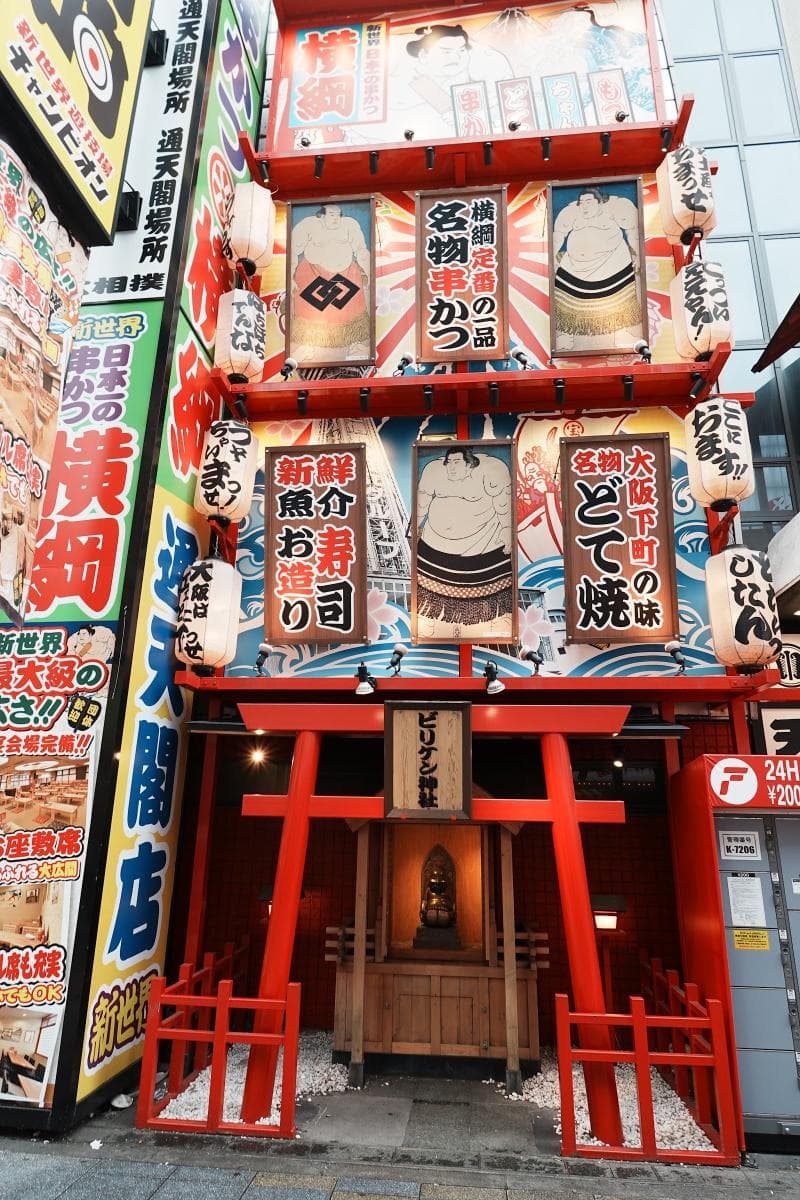
Discover Osaka's lucky charm, the Billiken statue, inside Tsutenkaku Tower. Learn its history, cultural significance, and rub its feet for good fortune in Japan.
Overview
Deep within the vibrant Shinsekai district of Osaka, Japan, nestled inside the iconic Tsutenkaku Tower, resides a beloved and enigmatic figure: the Billiken statue. This smiling, Buddha-like character, with its distinctive pointed ears and elongated head, serves as a powerful symbol of good fortune and happiness for locals and travelers alike. Visitors to Tsutenkaku Tower eagerly seek out the Billiken, believing that interacting with it can bring blessings and prosperity. Its presence is an integral part of the tower's allure, drawing countless individuals to partake in a unique Osaka tradition.
History & Cultural Background
The story of the Billiken statue begins not in Japan, but in the United States. It was conceived in 1908 by American artist Florence Pretz, who claimed to have seen the mysterious figure in a dream. She patented her creation, describing it as 'The God of Things as They Ought to Be'. The name 'Billiken' is thought to be a blend of then-President William Howard Taft's nickname 'Billy' and the suffix '-ken'. The charm doll soon gained popularity in America before making its way to Japan around 1909 or 1910.
Its enduring connection with Osaka began in 1912 when the first Billiken statue was installed in Luna Park, an amusement park that opened simultaneously with the original Tsutenkaku Tower in the Shinsekai district. This marked the start of the Billiken's transformation into a local cultural icon. However, when Luna Park closed in 1923, the original wooden statue mysteriously disappeared. After the original Tsutenkaku Tower was destroyed by fire in 1943 and subsequently rebuilt, a new Billiken statue was created in 1979, modeled after a 1949 version. To commemorate the tower's 100th anniversary, another replacement was installed in 2012, cementing its status as a timeless symbol of Osaka.
What Makes It Special
The Billiken holds a special place in the hearts of Osaka residents, revered as the 'God of Happiness' or 'God of Things as They Ought to Be'. Its symbolism is rich and multifaceted, blending its American origins with Japanese interpretations. The statue's warm smile is believed to represent compassion and wealth, while its seated posture with outstretched hands symbolizes the spirit of freedom. Its chubby figure and halo are said to express prayers for health and eternal happiness. For many, the Billiken is a powerful charm for good fortune in various aspects of life, including business, academics, and love. Its ubiquitous image, found on souvenirs and incorporated into local branding throughout Shinsekai, underscores its deep integration into the city's unique cultural fabric.
Stories, Fun Facts & Local Details
The most cherished tradition associated with the Billiken is the belief that rubbing the soles of its feet brings good luck. Visitors from all over the world participate in this ritual, making a wish as they touch its feet. Some even suggest that using your right hand for this act enhances the luck-bringing power. An interesting local detail is the belief that while buying a Billiken figurine can bring luck, receiving one as a gift brings even greater fortune. The Billiken statue currently enshrined within the Golden Observatory on the fifth floor of Tsutenkaku Tower is actually the third generation to reside there, continuing a legacy of happiness and good luck.
Visitor Perspective
For any curious traveler exploring Osaka, a visit to the Billiken statue at Tsutenkaku Tower is an absolute must-do. It offers more than just a photo opportunity; it's an immersive cultural experience. Ascending to the Golden Observatory on the fifth floor of the tower, visitors are greeted by the friendly gaze of the Billiken. Here, they join countless others in the joyful tradition of rubbing its feet, hoping for a touch of its renowned good luck. Beyond the interaction with the statue, the observatory provides breathtaking panoramic views of Osaka, making the journey truly rewarding. The surrounding Shinsekai district further enriches the experience with its lively, retro atmosphere, famous for its kushikatsu (deep-fried skewers) and vibrant streetscapes, offering a delightful glimpse into Osaka's unique charm.
Coordinates: 135.50616, 34.65254
View on Google Maps💬 How Travelers Describe This Place
Based on community votes
Interesting
921Must See
617Beautiful
357Photogenic
232Unique
147
Traveler Stories
Discover memorable experiences shared by travelers who have visited this place.
No traveler stories yet.
Be the first traveler to share what made this place memorable.

Tour
By
Spot
Discover amazing places around the world. Your journey starts here.
Explore
© 2026 TourBySpot. All rights reserved.