Berower Park
Basel, Switzerland
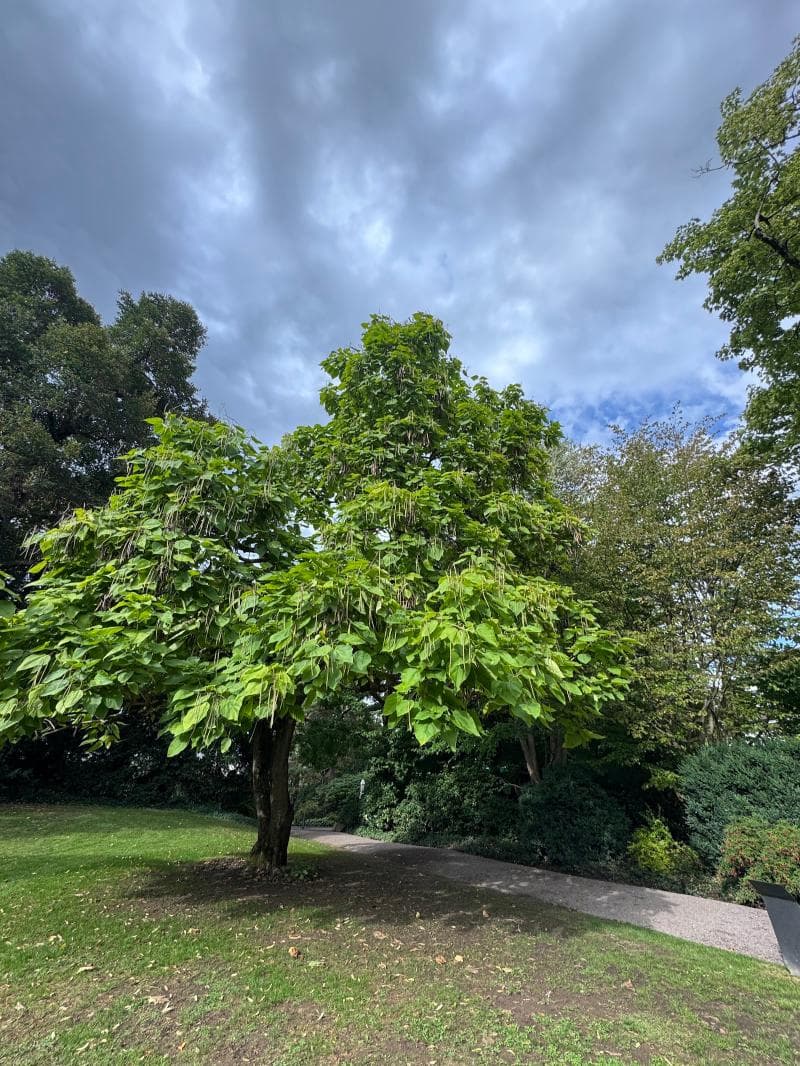
Discover Berower Park, a serene English landscape garden within Fondation Beyeler in Basel, Switzerland, where art, nature, and history converge beautifully.
Overview
Nestled in the idyllic setting of Riehen, a charming municipality near Basel, Switzerland, Berower Park serves as the enchanting outdoor complement to the renowned Fondation Beyeler. This historic park, fashioned in the graceful English landscape style, offers visitors a serene oasis where art, nature, and architecture intertwine seamlessly. With its ancient trees, meandering paths, and a tranquil water lily pond, Berower Park invites contemplation and connection with the natural world. It provides breathtaking vistas of surrounding cornfields, grazing cows, vineyards, and even the distant foothills of the Black Forest, making it a unique cultural landscape.
The park is not merely a backdrop but an integral part of the museum experience, housing sculptures by prominent artists such as Alexander Calder and Ellsworth Kelly, thoughtfully placed to engage with the natural surroundings. The park also features the historic 18th-century Villa Berower, which today accommodates the museum's administration and a restaurant, allowing guests to dine amidst picturesque scenery. Berower Park is freely accessible to the public from dawn to dusk, year-round, offering an open invitation for peaceful strolls and moments of artistic inspiration.
History & Cultural Background
The origins of Berower Park trace back further than its contemporary artistic significance. Records indicate its existence since as early as 1551, evolving over centuries, with its transformation into a private English landscape park occurring in 1832. The commune of Riehen acquired the park in 1976, paving the way for its future as a cultural landmark. It was this beautiful estate that Ernst Beyeler, the visionary art dealer and collector, chose as the perfect location for his museum.
Beyeler envisioned a place where art and nature could harmonize, and the park’s mature trees and gentle topography provided an ideal canvas for the museum building, designed by the celebrated Italian architect Renzo Piano. The Fondation Beyeler, alongside its integrated park, officially opened to the public in 1997, marking a pivotal moment in the region's cultural offerings. Piano's design thoughtfully respects the park's historical context, incorporating materials like red porphyry stone from Patagonia, which subtly references historical Basel architecture and blends the museum effortlessly into the landscape, as if it had always been there.
What Makes It Special
Berower Park stands out for its masterful fusion of artistic display and natural beauty, an intentional design philosophy championed by Ernst Beyeler himself. The museum building, with its elegant integration into the landscape, features large window fronts that continually draw the eye to the park's ever-changing scenery. This creates a dynamic dialogue between the indoor art collection and the outdoor environment; for instance, contemplating Monet's water lilies inside the museum is enhanced by the view of actual water lilies floating in the park's pond just outside.
The park's unique quality also lies in its role as an extension of the exhibition space. Sculptures are carefully positioned within its English garden setting, transforming the landscape into an open-air gallery. The architectural brilliance of Renzo Piano's museum, designed to allow natural light to illuminate the artworks and offer uninterrupted views of the park, further amplifies this special connection. It embodies Beyeler’s wish for the museum to be ‘immersed in the surrounding greenery’ and for art to be viewed under natural light, fostering a profound visitor experience.
Stories, Fun Facts & Local Details
One of the most memorable stories associated with Berower Park is its temporary transformation into an art installation by the renowned duo Christo and Jeanne-Claude. In 1998, they famously 'Wrapped Trees' within the park and its vicinity, veiling 178 trees in 55,000 square meters of polyester fabric and 23.1 kilometers of rope. This ambitious project, a culmination of 32 years of effort for the artists, created dynamic, wind-sculpted forms that brought a unique, temporary artistic layer to the historic landscape, making the park itself a monumental artwork.
Beyond its artistic spectacles, the park holds local charm. It is a favored spot for residents of Riehen and Basel for leisurely walks, picnics, and moments of quiet reflection. The Villa Berower restaurant, with its inviting terrace, is not only a place for a meal but also a vantage point to appreciate the blend of nature and art, offering views of the park's sculptures. The Fondation Beyeler continues to expand its green footprint; a planned extension by Peter Zumthor aims to connect existing park areas with newly acquired adjacent land, further opening up previously private gardens to the public and enhancing the park's accessibility and recreational value.
Visitor Perspective
For the traveler, Berower Park offers a multi-sensory experience that extends beyond the museum's walls. Arriving at the Fondation Beyeler, one is immediately enveloped by the tranquility and beauty of the park, creating a sense of decompression even before entering the museum. The park's gentle slopes and serene pond provide perfect photo opportunities, particularly with the elegant museum building and its glass facades reflecting the sky and greenery. Strolling through the park allows for a seamless transition between viewing masterpieces indoors and appreciating the art of landscape design outside.
The presence of comfortable benches and expansive lawns makes it an ideal spot for relaxation, perhaps with a book or simply to soak in the peaceful atmosphere and the distant pastoral views. Whether pausing between gallery visits, enjoying a meal at the Berower Park Restaurant, or simply seeking a peaceful escape from urban bustle, the park offers a restorative experience. It truly embodies Ernst Beyeler's vision of the museum as a 'small power plant' where visitors can regain strength and find inspiration from the harmonious interplay of culture and nature.
Coordinates: 7.6698, 47.5908
View on Google Maps💬 How Travelers Describe This Place
Based on community votes
Interesting
996Photogenic
726Beautiful
494Unique
193Must See
125
Traveler Stories
Discover memorable experiences shared by travelers who have visited this place.
No traveler stories yet.
Be the first traveler to share what made this place memorable.

Tour
By
Spot
Discover amazing places around the world. Your journey starts here.
Explore
© 2026 TourBySpot. All rights reserved.