Bell Tower
Vilnius, Lithuania
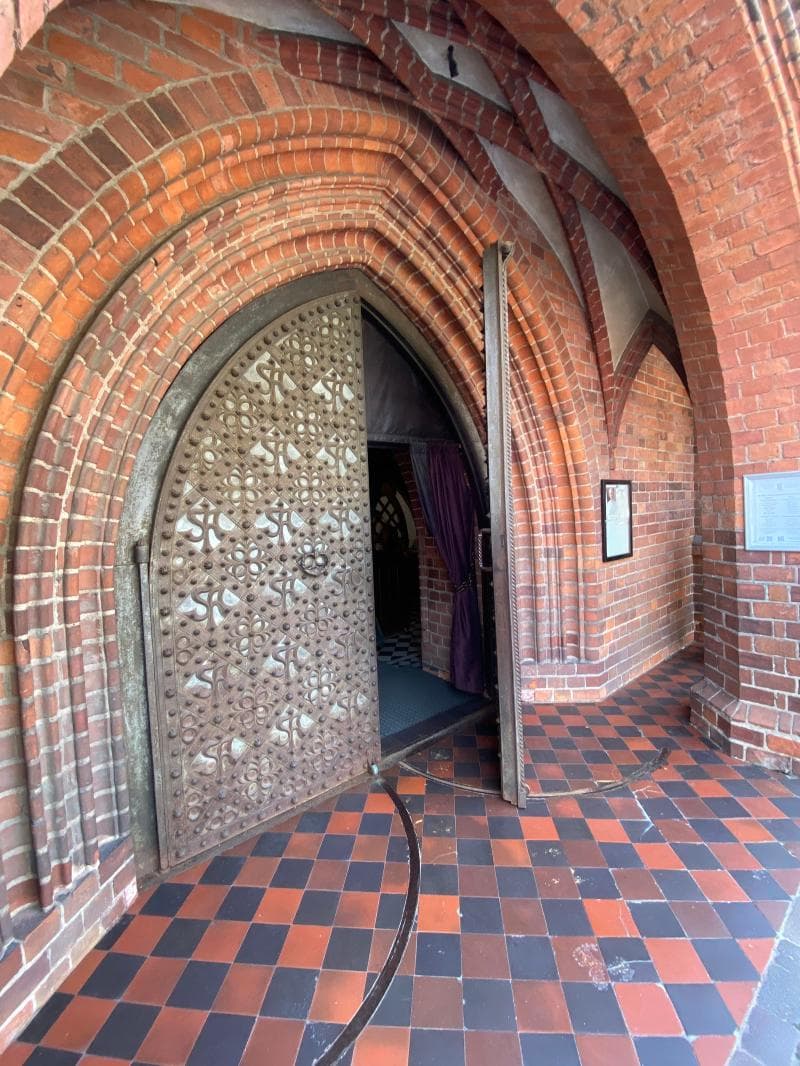
Explore the Bell Tower of St. Anne's Church in Vilnius, Lithuania, a neo-Gothic gem complementing the stunning Gothic church.
Overview
Nestled in the heart of Vilnius' enchanting Old Town, the Bell Tower of St. Anne's Church stands as a distinct, yet harmonious, companion to one of Lithuania's most celebrated architectural masterpieces. While St. Anne's Church itself is a breathtaking example of Flamboyant Gothic and Brick Gothic styles, dating back to the late 15th and early 16th centuries, its adjacent Bell Tower tells a slightly different, though equally compelling, story. This neo-Gothic structure, erected in the 19th century, replaced an earlier bell tower and was designed to complement the church's intricate beauty. Together, the church and its bell tower form an iconic part of the Vilnius Old Town, a UNESCO World Heritage site, captivating visitors with their rich history and architectural grandeur.
History & Cultural Background
St. Anne's Church itself boasts a history stretching back to a wooden structure built in the 14th century, which was later destroyed by fire. The current brick church, consecrated around 1500, was commissioned by King Alexander I Jagiellon and has remarkably retained its exterior appearance for over five centuries. It is renowned for its use of 33 different types of clay bricks, contributing to its distinctive red hue and intricate, lace-like façade. This architectural marvel has inspired countless awe-struck visitors throughout history.
The Bell Tower, however, entered the scene much later. Built in the 1870s, it is a 19th-century addition, designed by architect Nikolajus Čiaginas (also referred to as Chagin). Its construction became necessary after a previous bell tower was demolished to make way for a new street. The decision to construct a neo-Gothic tower was a deliberate effort to harmonize with the older Gothic church, showcasing a historical continuity and respect for the existing architectural ensemble. This blending of eras adds another layer to the site's rich cultural tapestry, reflecting ongoing architectural developments and the city's evolving urban landscape.
What Makes It Special
The Bell Tower's unique appeal lies in its purposeful integration with the ancient St. Anne's Church. While distinctly younger, its neo-Gothic design meticulously echoes the flamboyant style of its companion, creating a cohesive visual narrative across centuries. It stands as a testament to the enduring appreciation for Gothic aesthetics in Vilnius. Furthermore, the Bell Tower offers a rare opportunity for visitors to ascend its round staircase to a height of 17 meters. From this vantage point, one can explore the wooden roof structure of the church itself, admire its intricate arches up close, and soak in panoramic views of the charming Vilnius Old Town. This interactive experience provides a unique perspective on the historical and architectural details that often go unnoticed from ground level.
Stories, Fun Facts & Local Details
The entire ensemble of St. Anne's Church and its Bell Tower is steeped in legend, most notably involving Napoleon Bonaparte. During his 1812 campaign, the French emperor was reportedly so captivated by the church's exquisite beauty that he expressed a desire to carry it back to Paris 'in the palm of his hand'. While this romanticized tale may not be entirely historically accurate, it powerfully illustrates the profound impression the church has left on observers throughout history.
Another fascinating detail is found within the church's main façade, where some experts believe the letters 'A' and 'M' are subtly incorporated. These initials are thought to stand for 'Ana Mater Maria' (Saint Anne – Mother of Mary) or 'Ave Maria' (Hail Mary), adding a layer of symbolic depth to its already intricate design. Moreover, the façade is said to echo the patterns of the Columns of Gediminas, an early symbol of Lithuania, with the church's three towers corresponding to these historical pillars.
Visitor Perspective
Visiting the Bell Tower and St. Anne's Church offers a journey through time and an intimate encounter with architectural mastery. The church is easily accessible, located centrally in Vilnius Old Town, and is typically open to visitors. While the church's interior, adorned with Baroque elements, provides a serene space for contemplation, the highlight for many is the ascent of the Bell Tower. The climb, though modest in height, rewards visitors with unparalleled views, allowing them to trace the winding streets of the Old Town and appreciate the complex relationship between the church's various architectural components. It is an opportunity to truly connect with the legacy of medieval craftsmen and 19th-century architects who shaped this enduring landmark. Remember to dress respectfully, as it remains an active place of worship.
Coordinates: 25.293192, 54.683145
View on Google Maps💬 How Travelers Describe This Place
Based on community votes
Must See
998Unique
903Beautiful
481Interesting
458Photogenic
197
Traveler Stories
Discover memorable experiences shared by travelers who have visited this place.
No traveler stories yet.
Be the first traveler to share what made this place memorable.

Tour
By
Spot
Discover amazing places around the world. Your journey starts here.
Explore
© 2026 TourBySpot. All rights reserved.