Ba Dinh Square
Hanoi, Vietnam
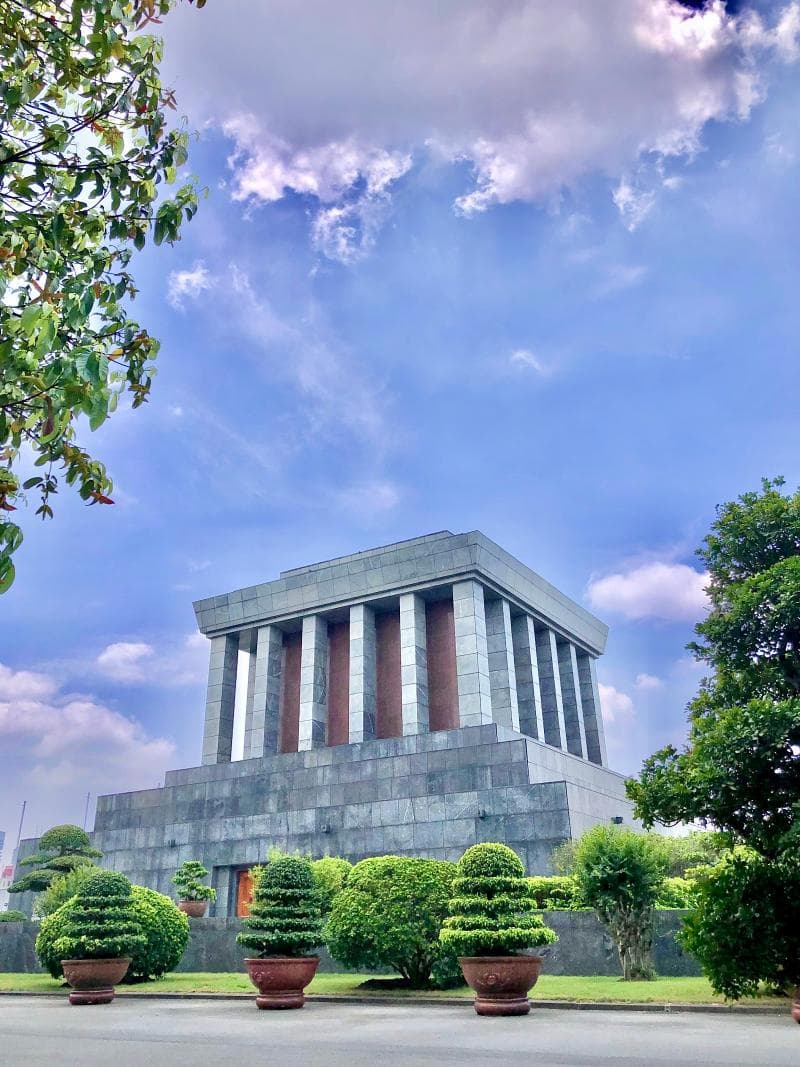
Explore Ba Dinh Square in Hanoi, Vietnam, a historic plaza where Ho Chi Minh declared independence, home to his mausoleum and national ceremonies.
Overview
Ba Dinh Square, nestled in the heart of Hanoi, Vietnam, is far more than just an open space; it is a profound symbol of Vietnamese independence and national pride. As the largest square in Vietnam, it serves as the political and spiritual center of the nation's capital. This expansive plaza is famously situated directly in front of the Ho Chi Minh Mausoleum, forming the solemn centerpiece of a larger historical complex. Visitors to this significant location are immediately struck by its grandeur and the palpable sense of history that permeates the air. It is a place where key historical events unfolded, transforming it into a site of deep cultural significance that draws both locals and international travelers alike.
History & Cultural Background
The history of Ba Dinh Square is intrinsically linked to Vietnam's struggle for sovereignty. Originally, during the French colonial period, this area was a flower garden known as Le Parc Pugininer. After Vietnam regained control, the square was renamed Ba Dinh Square, honoring the Ba Dinh Uprising, an anti-French rebellion that occurred in Thanh Hoa Province from 1886 to 1887.
Its most pivotal moment arrived on September 2, 1945, when President Ho Chi Minh, standing on this very ground, read the Proclamation of Independence of the Democratic Republic of Vietnam. This historic declaration marked the birth of modern Vietnam and the end of French colonial rule, cementing Ba Dinh Square's status as the birthplace of the nation. Following Ho Chi Minh's passing, the Vietnamese government decided to construct a mausoleum at this location to preserve his body, allowing future generations to pay their respects to the revered leader.
What Makes It Special
The most distinctive feature of Ba Dinh Square is the majestic Ho Chi Minh Mausoleum, which houses the embalmed body of President Ho Chi Minh. This granite edifice stands as a permanent tribute to the revolutionary leader. The square itself is vast, covering approximately 32,000 square meters, and features a meticulously maintained lawn divided into 240 green squares, representing the vastness and unity of Vietnam.
A deeply moving experience for many is witnessing the daily flag-raising and flag-lowering ceremonies. These solemn rituals, accompanied by military music, pay tribute to the nation's independence and are a powerful display of national pride. Surrounding the square and within the complex are other significant landmarks, including the Presidential Palace, Ho Chi Minh's Stilt House, the Ho Chi Minh Museum, and the iconic One Pillar Pagoda, making it a comprehensive site for understanding Vietnam's modern history and culture.
Stories, Fun Facts & Local Details
Despite President Ho Chi Minh's personal wish to be cremated, the Vietnamese government decided to build the mausoleum to provide a permanent resting place where people could honor his memory. This decision reflects the deep reverence the Vietnamese people hold for 'Uncle Ho'. The 79 French marigold trees planted in front of the mausoleum symbolically represent Ho Chi Minh's age at the time of his passing.
While the square holds immense solemnity during official ceremonies and visiting hours for the mausoleum, it transforms in the evenings. Locals often gather there for leisurely walks, exercise, and social interaction, showcasing its role as a vibrant communal space within the bustling city of Hanoi. The atmosphere, especially during the flag ceremonies, is one of profound respect and quiet reflection, underlining the emotional connection Vietnamese people have to this place.
Visitor Perspective
Visiting Ba Dinh Square and the Ho Chi Minh Mausoleum complex is a profound cultural experience that requires adherence to specific protocols. Modest dress is essential; visitors must wear clothing that covers their shoulders and knees. Security is tight, and cameras, phones, large bags, and even food are often required to be stored at designated facilities before entering the mausoleum. Photography and talking are strictly prohibited inside the mausoleum itself, reinforcing the solemn atmosphere.
The mausoleum typically opens only in the mornings, usually closing on Mondays and Fridays, and often for annual maintenance periods. It is highly recommended to arrive early, especially during peak seasons, as queues can be long. While entry to the square and mausoleum is generally free, some adjacent museums within the complex may have a small entrance fee. The entire experience encourages quiet reflection and respect for Vietnam's history and its beloved leader.
Coordinates: 105.8358, 21.03699
View on Google Maps💬 How Travelers Describe This Place
Based on community votes
Must See
839Interesting
445Photogenic
416Beautiful
289Unique
141
Traveler Stories
Discover memorable experiences shared by travelers who have visited this place.
No traveler stories yet.
Be the first traveler to share what made this place memorable.

Tour
By
Spot
Discover amazing places around the world. Your journey starts here.
Explore
© 2026 TourBySpot. All rights reserved.