Artificial Waterfall
Nice, France
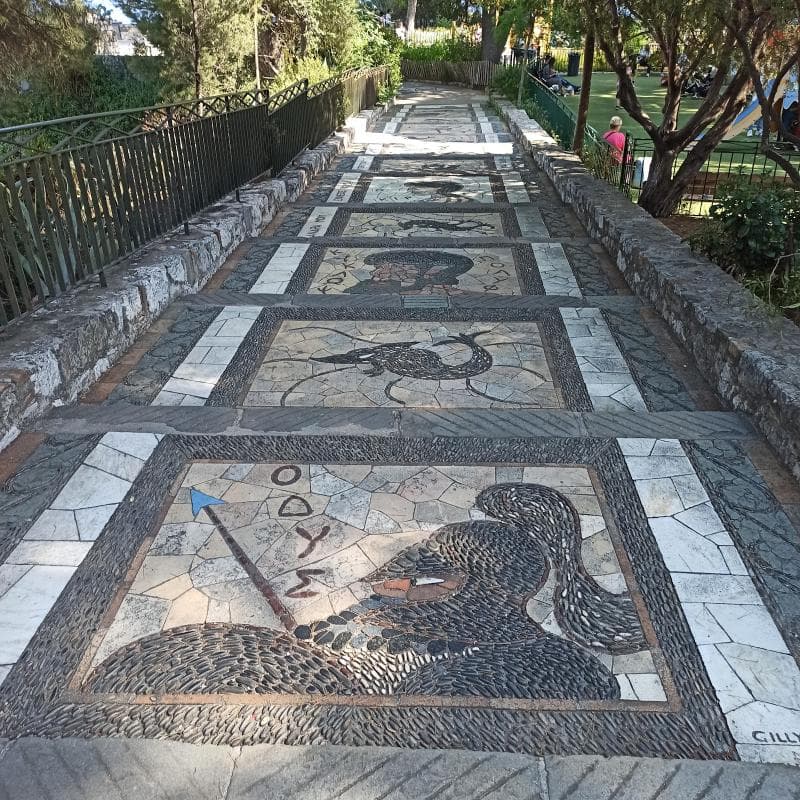
Discover Nice, France's Artificial Waterfall on Castle Hill. Uncover its 19th-century history, refreshing cascades, and panoramic city views.
Overview
Perched majestically atop Colline Du Château, or Castle Hill, in Nice, France, visitors will discover the charming 'Artificial Waterfall' (Cascade du Château). This man-made marvel is not merely a decorative element but an integral part of the expansive park that crowns the hill. It offers a refreshing escape and a peaceful atmosphere, drawing travelers seeking both tranquility and breathtaking panoramas. From this elevated vantage point, the waterfall provides a striking visual accent, visible even from a distance, contributing to the serene microclimate of the park. It is a destination that perfectly blends natural beauty with historical ingenuity, providing stunning views of the iconic Baie des Anges and the bustling port of Nice.
History & Cultural Background
The history of Castle Hill itself is ancient, dating back to the 4th century BC when Greek settlers founded Nikaia here. Over centuries, it evolved from a strategic stronghold, once boasting a powerful medieval fortress and a cathedral, to the beautiful public park we see today. The formidable citadel, long considered impregnable, was tragically dismantled by the troops of French King Louis XIV in 1706 following a siege. The idea to transform the hilltop into a public garden emerged much later, in the 19th century, at the initiative of the King of Sardinia.
It was within this context of urban beautification and transformation into a recreational area that the artificial waterfall was conceived and built. Inaugurated on June 27, 1885, it became an embodiment of 19th-century landscape design, reflecting a romantic ideal that blended nature with architectural and water features. Beyond its aesthetic appeal, the waterfall served a crucial practical purpose: it commemorated and utilized Nice's new modern water supply system. Water was channeled from the Vésubie valley, some 50 kilometers north of Nice, through the Vésubie canal. The waterfall ingeniously functioned as an overflow for this system, regulating its flow and supplying the city.
What Makes It Special
The Artificial Waterfall is a truly special feature of Castle Hill. It impresses visitors with its powerful cascades that tumble down through sculpted rock formations amidst a lush, verdant setting. Especially welcome on hot summer days, the waterfall creates a pleasant, refreshing microclimate, and the soothing sound of rushing water adds a peaceful ambiance to the entire park. The water gracefully moves across multiple levels, making it a captivating focal point within the meticulously landscaped grounds. Its design exemplifies how Nice, during that era, masterfully created public spaces that integrated elegant water features with extensive landscaping, enhancing the city's appeal as a burgeoning tourist destination.
Stories, Fun Facts & Local Details
The Castle Hill, with its artificial waterfall, is rich in stories. Imagine the strategic importance of this hill, once home to a fortress that was believed to be unconquerable. The waterfall itself, while entirely man-made, is so skillfully integrated into its surroundings that many visitors perceive it as a natural phenomenon. You can often hear its distinctive roar from a distance, and on windy days, you might even feel its cool spray, a delightful surprise for those strolling nearby. Locals and visitors alike cherish this spot, not just for its historical resonance but also for its vibrant present. The hill is a beloved playground for families, offering extensive green spaces, dedicated play areas for children, and ample spots for a relaxing picnic with panoramic views.
Visitor Perspective
A visit to the Artificial Waterfall on Castle Hill is a memorable experience for any traveler. Whether you choose to ascend the hill via the scenic walking paths from Old Nice or the port, or opt for the convenient, free elevator located near the Quai des États-Unis, the journey is part of the charm. Once at the summit, you can walk right up to the base of the waterfall to feel its refreshing mist or admire the torrent from a viewing balcony above. The park's shady paths, numerous benches, and cooling fountains make it an ideal spot for contemplation and relaxation. With its year-round accessibility and absence of an entrance fee, the Artificial Waterfall and its encompassing park offer an unparalleled opportunity to connect with Nice's history, enjoy its natural beauty, and capture stunning photographs of the French Riviera.
Coordinates: 7.28049, 43.69631
View on Google Maps💬 How Travelers Describe This Place
Based on community votes
Unique
995Beautiful
964Photogenic
929Interesting
730Must See
482
Traveler Stories
Discover memorable experiences shared by travelers who have visited this place.
No traveler stories yet.
Be the first traveler to share what made this place memorable.

Tour
By
Spot
Discover amazing places around the world. Your journey starts here.
Explore
© 2026 TourBySpot. All rights reserved.