Architecture Gallery
Kuala Lumpur, Malaysia
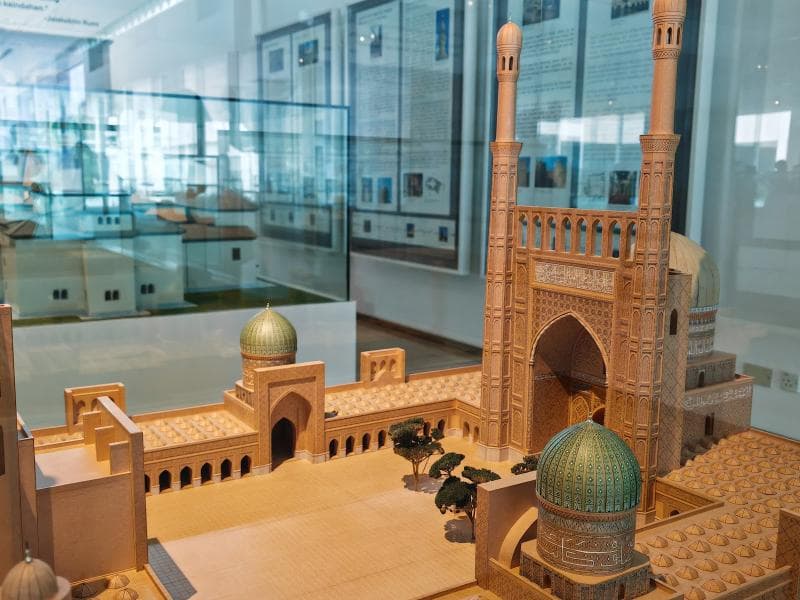
Explore the Islamic Arts Museum's Architecture Gallery in Kuala Lumpur, Malaysia, featuring stunning scale models of iconic global Islamic structures and a restored 19th-century Ottoman Room.
Overview
Stepping into the Islamic Arts Museum Malaysia's (IAMM) Architecture Gallery in Kuala Lumpur is akin to embarking on a global journey through the most magnificent structures of the Islamic world. This particular gallery is one of twelve permanent exhibitions housed within the museum, dedicated entirely to showcasing the splendor and diversity of Islamic architectural heritage. Here, the grand narratives of Islamic civilization are told not through bricks and mortar, but through an exceptional collection of meticulously crafted scale models of iconic buildings. These miniatures offer a unique perspective, allowing visitors to appreciate the intricate details and overall majesty of structures that span continents and centuries.
Beyond the impressive array of models, the gallery also features an exquisite collection of tiles, each telling a story of artistry and regional influence. A significant highlight is the faithfully restored 19th-century 'Ottoman Room', which provides a rare glimpse into the opulent domestic life of Ottoman Syria. The Architecture Gallery is a testament to the enduring legacy and artistic innovation that has defined Islamic building traditions throughout history.
History & Cultural Background
Architecture holds a foundational place in Islamic art, often considered its earliest and most paramount expression. From the very first mosque in Medina, these structures have served as more than just places of worship; they are centers of community and devotion, integral to Muslim life. The Ka'aba in Mecca, for instance, represents the most fundamental and powerful architectural form, its profound simplicity resonating across the globe.
The Islamic Arts Museum Malaysia itself, established in 1998, was conceived to be a custodian and educator of Islamic art, collecting artifacts from across the entire Islamic world. The Architecture Gallery within IAMM meticulously curates a display that illustrates how Islamic architectural principles adapted and flourished in diverse environments, from the simple yet profound designs of Southeast Asia to the imposing monuments of India and the distinct styles found in Central Asia and China. This rich tapestry of styles underscores Islam's remarkable adaptability and its deep cultural impact on various civilizations.
What Makes It Special
The Architecture Gallery truly stands out due to its comprehensive and captivating display of scale models. Visitors can marvel at miniature versions of some of Islam's holiest and most famous sites, including the monumental Masjid al-Haram in Mecca and the globally recognized Taj Mahal in India. Other impressive models include the Dome of the Rock in Jerusalem, the Sheikh Zayed Grand Mosque, and the Selimiye Mosque, alongside lesser-known but equally significant mosques from China and Central Asian mausoleums. These highly detailed miniatures offer an unparalleled 'bird's eye view' that would be impossible to achieve otherwise, providing insights into their complex designs and historical significance.
Another remarkable feature is the 19th-century 'Ottoman Room', also known as the Damascus Room. This fully restored room exemplifies the luxurious domestic architecture of Ottoman Syria, with its elaborate decorations and inward-looking design. Adorned with a profusion of painted flowers, fruits, and architectural scenes, and rich in red, green, and gold hues, it showcases rococo influences that reached the Ottoman Empire during that era. The gallery also features walls adorned with a dazzling array of tiles from various Islamic regions, highlighting the importance of this decorative element in Islamic architecture.
Stories, Fun Facts & Local Details
The collection within the Architecture Gallery offers many fascinating insights. For example, some architectural wonders, like the Taj Mahal, have become such universal symbols that their original religious purpose is sometimes overlooked, underscoring their global appeal beyond their spiritual roots. The inclusion of a mosque from Xian reminds visitors of China's often-unseen Islamic heritage.
The meticulously restored 'Ottoman Room' is not just a display of opulence; it speaks to the historical importance of hospitality in Muslim culture, as such rooms were traditionally designed for entertaining esteemed guests. The museum itself, with its clean lines, striking turquoise-tiled domes, and iwan-like entrance, is an architectural marvel that blends 21st-century construction techniques with traditional Islamic design, making the building itself an iconic landmark in Kuala Lumpur. It truly creates an immersive experience that begins even before entering the gallery. The gallery is frequently cited by visitors as one of the most impressive parts of the museum.
Visitor Perspective
Located on the first level of the Islamic Arts Museum Malaysia, the Architecture Gallery is designed for an engaging and informative visit. Each scale model and exhibit is accompanied by helpful text panels that provide clear explanations and interesting facts, making the complex history and artistry accessible to all. The museum's spacious and well-lit interiors ensure a comfortable exploration, even when busy.
The Islamic Arts Museum Malaysia is conveniently located near other key attractions like the National Mosque and the Perdana Botanical Garden, making it an excellent addition to any Kuala Lumpur itinerary. It is easily accessible via public transport, with the Kuala Lumpur and Pasar Seni train stations within walking distance. The museum is open daily from 9:30 AM to 6:00 PM, with the last entry at 5:30 PM, and is only closed on specific Eid holidays, allowing ample time for a thorough visit. Admission is affordably priced, with discounts for students and Malaysian seniors, and free entry for children under six, encouraging broad accessibility to this rich cultural experience.
Coordinates: 101.6898, 3.1419
View on Google Maps💬 How Travelers Describe This Place
Based on community votes
Interesting
995Must See
989Unique
603Beautiful
581Photogenic
388
Traveler Stories
Discover memorable experiences shared by travelers who have visited this place.
No traveler stories yet.
Be the first traveler to share what made this place memorable.

Tour
By
Spot
Discover amazing places around the world. Your journey starts here.
Explore
© 2026 TourBySpot. All rights reserved.