Archaeology Exhibits
Vientiane, Laos
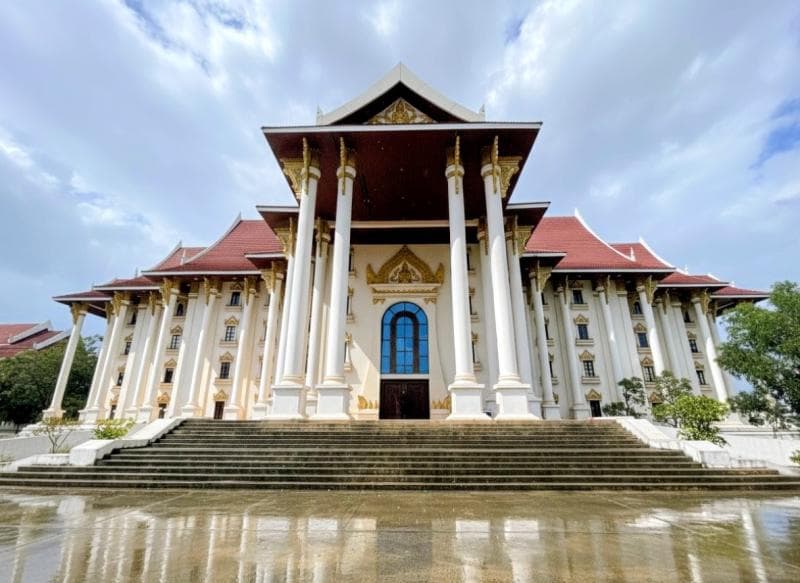
Explore the rich archaeological exhibits at the Lao National Museum in Vientiane, Laos, featuring artifacts from prehistoric times to ancient kingdoms.
Overview
Stepping into the Archaeology Exhibits at the Lao National Museum in Vientiane is like embarking on a fascinating journey through time, delving deep into the ancient past of Laos. Housed in a modern facility built between 2013 and 2017, the museum serves as the primary institution for preserving and showcasing the nation's rich historical and cultural heritage. It offers a comprehensive look at Laos from prehistoric times through the eras of early civilizations and powerful kingdoms. The archaeological section, in particular, illuminates the foundations of Lao society, presenting a narrative woven from unearthed treasures and ancient remnants. It's a place where the silent stones and aged pottery speak volumes about the ingenuity and beliefs of early inhabitants, providing an essential context for understanding the vibrant culture of modern-day Laos.
The exhibits are designed to guide visitors through epochs, revealing how early communities lived, hunted, created art, and established the intricate social structures that would eventually lead to the formation of the revered Lan Xang Kingdom. The focus is on factual information, presented in a way that respects the historical significance of each artifact, ensuring a meaningful and educational experience for all who visit.
History & Cultural Background
The archaeological narrative at the Lao National Museum begins with the earliest traces of human activity in the region, extending through the Bronze and Iron Ages, and into the formative years of organized polities. Visitors will encounter evidence of prehistoric life, including remarkable fossil discoveries that paint a picture of ancient ecosystems and early human presence. The displays meticulously cover the development of early settlements and the agricultural innovations that underpinned their growth, laying the groundwork for more complex societies.
A significant portion of the exhibits highlights the influence and interaction with neighboring cultures, notably the Khmer Empire. This is evident in the stunning collection of Khmer sculptures, dating from the 6th to the 13th centuries, which showcase intricate carvings often depicting Hindu deities and scenes from ancient epics like the Ramayana and Mahabharata. These artifacts are not merely decorative; they are testaments to the cross-cultural exchanges and artistic prowess that shaped the region for centuries. The museum meticulously traces the evolution of these cultural elements, leading up to the emergence of the Lan Xang Kingdom, a pivotal period in Lao history that profoundly influenced its national identity and cultural heritage.
What Makes It Special
What truly sets the Archaeology Exhibits apart is the tangible connection they offer to a distant past. Visitors can marvel at genuinely ancient items like well-preserved dinosaur bones and fragments of pottery shards, each piece telling a segment of an untold story. A highlight is undoubtedly the display featuring artifacts from the mysterious Plain of Jars, a UNESCO World Heritage site. An intact jar from this enigmatic site, known for its megalithic stone jars, provides a direct link to a civilization whose purpose for these massive vessels remains a subject of ongoing archaeological study.
Beyond these, the collection includes a wide array of ancient tools, elaborate bronze artifacts, and significant religious sculptures, including ancient Buddha images that reflect the deep-rooted spiritual traditions of Laos. These items collectively represent the material culture of ancient Laos, demonstrating advanced craftsmanship and complex belief systems that flourished millennia ago. The sheer breadth of the collection, spanning from paleontological finds to intricate religious art, makes it a unique window into the multifaceted heritage of the Lao people.
Stories, Fun Facts & Local Details
Imagine a time when giant creatures roamed the lands that are now Laos, their existence evidenced by the dinosaur bones on display. These fossils spark the imagination, transporting visitors to a prehistoric world long before human civilization. Another captivating narrative unfolds around the Plain of Jars. The presence of an actual jar in the museum invites contemplation about its original function—was it for burial rituals, rice storage, or something else entirely? These enduring mysteries add an element of intrigue to the exhibits, turning observation into an active mental exploration.
The collection also subtly conveys the daily lives of ancient Lao people. Imagine the hands that meticulously crafted the pottery shards, the strength required to forge the bronze tools, or the devotion poured into carving the religious sculptures. Each artifact, however small, holds the echoes of human effort, creativity, and spiritual quest. It’s not just about what was found, but about the lives lived around these objects. The continuity of artistic traditions, for example, can be traced from ancient pottery designs to contemporary Lao handicrafts, showing a living heritage that adapts but never truly disappears.
Visitor Perspective
For the curious traveler, the Archaeology Exhibits at the Lao National Museum offer a profound and rewarding experience. The shift to a modern facility since 2017 means these invaluable artifacts are now presented with improved exhibition galleries and conservation facilities, enhancing their accessibility and impact. It’s an opportunity to gain an authentic understanding of Laos's long and complex history, moving beyond superficial impressions to appreciate the deep roots of its culture.
Walking through the exhibits, visitors connect with the resilience and ingenuity of the Lao people throughout history. The clear explanations accompanying the displays ensure that even those new to Lao history can grasp the significance of each era and artifact. It’s an informative journey that fosters a deeper respect for a nation that has endured and evolved through millennia, leaving behind a tangible legacy for us to explore and understand today. Allow ample time to truly absorb the stories these ancient objects have to tell, as they are central to the identity and soul of Laos.
Coordinates: 102.6443, 18.0067
View on Google Maps💬 How Travelers Describe This Place
Based on community votes
Unique
915Photogenic
873Beautiful
123Must See
74Interesting
53
Traveler Stories
Discover memorable experiences shared by travelers who have visited this place.
No traveler stories yet.
Be the first traveler to share what made this place memorable.

Tour
By
Spot
Discover amazing places around the world. Your journey starts here.
Explore
© 2026 TourBySpot. All rights reserved.