Archaeological Site
Lisbon, Portugal
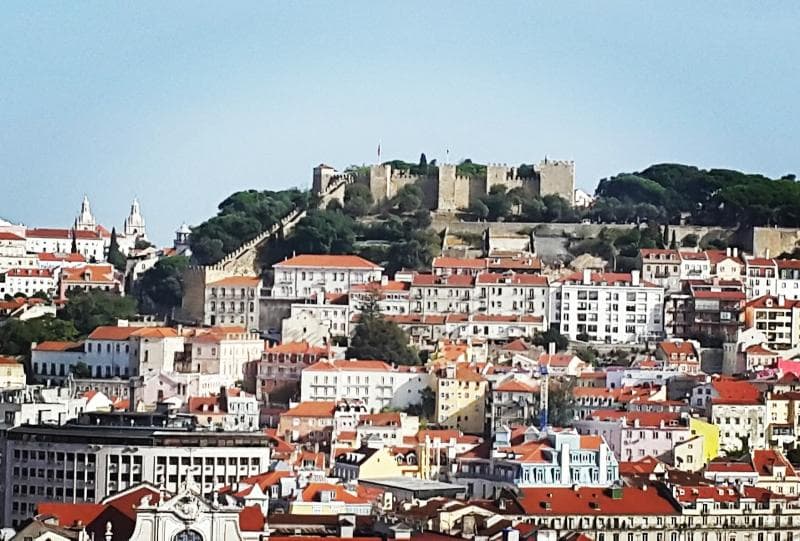
Uncover Lisbon's ancient past at the Archaeological Site within São Jorge Castle, Portugal, revealing Iron Age, Moorish, and medieval layers.
Overview
Within the historic walls of São Jorge Castle in Lisbon, Portugal, lies a remarkable Archaeological Site, a testament to the city's profound and multi-layered past. This site is not merely a collection of ruins; it is an open-air museum that unveils centuries of human occupation, from the earliest Iron Age settlements to the vibrant Moorish period and the later Portuguese royal residences. Extensive archaeological excavations, which commenced in 1996, have brought these buried histories to light, revealing the foundations and artifacts of diverse cultures that once thrived on this strategic hilltop. Visitors can explore the exposed remnants of ancient structures, offering a unique opportunity to walk through different epochs of Lisbon's history, with many significant findings carefully preserved and showcased in the castle's dedicated Museum Centre.
History & Cultural Background
The hill upon which São Jorge Castle stands has been a coveted location for millennia, with human presence documented as far back as the 8th century BC and the first fortifications appearing by the 2nd century BC. This strategic elevation, overlooking the Tagus River estuary, attracted a succession of civilizations, each leaving an indelible mark. Early inhabitants included Phoenicians, Carthaginians, Romans, Visigoths, and later, the Moors, all contributing to the hill's evolving defenses and cultural landscape.
One of the earliest and most fascinating layers belongs to the Iron Age, dating back to the 7th century BC. Here, archaeologists have uncovered evidence of a fortified village, characterized by rectangular houses and various ceramic vessels. This community engaged in regular trade with the Phoenicians, leading to the introduction of advanced technologies such as the potter's wheel, iron metallurgy, and innovative construction techniques.
The Moorish period, particularly from the mid-11th to 12th centuries, represents another pivotal chapter. Before the Christian Reconquest of 1147, the site housed a thriving residential area, known as the Casbah. Excavations have unearthed structures of homes arranged around central patios, featuring high-quality finishes like painted stucco and intricately tiled floors. Even ancient sanitation systems have been identified, offering a glimpse into daily life in this sophisticated Moorish settlement.
Following the Christian conquest, the site continued its transformation. Remnants of a 15th-century palace, likely the Bishop's Palace, have also been discovered. These later structures, like much of old Lisbon, suffered significant damage during the devastating 1755 earthquake, adding another dramatic layer to the site's historical narrative.
What Makes It Special
What truly sets the Archaeological Site at São Jorge Castle apart is its ability to illustrate Lisbon's history as a true 'palimpsest'—a parchment reused over time, where traces of earlier writings remain visible beneath new ones. The visible stratigraphy, or layers of earth and debris, distinctly shows how one civilization built directly upon the remnants of the previous, offering a profound visual timeline of human occupation.
The site's musealization is thoughtfully designed to enhance this understanding. Modern architectural interventions, such as corten steel membranes and limestone walkways, guide visitors through the different historical levels while protecting the fragile remains. A notable feature is the cantilevered structure that safeguards delicate 15th-century mosaics, allowing a unique perspective on these historical floors. For the 11th-century Islamic domestic structures, abstract white walls and translucent coverings have been ingeniously used to recreate the spatial experience of these ancient homes, fostering an immersive connection to the past. Beneath it all, the Iron Age settlement is presented within a self-contained volume, pierced with viewing slits that draw the curious observer into Lisbon's most ancient origins.
Stories, Fun Facts & Local Details
Beyond its grand military role, the castle hill was a vibrant hub of daily life. For instance, contrary to many European castles that served primarily as royal residences, São Jorge Castle functioned primarily as a military base, particularly during its Moorish era. A fascinating local detail is that the castle, due to its elevated position and robust Moorish construction, largely withstood the catastrophic 1755 Lisbon earthquake, which crumbled much of the city.
The artifacts unearthed—ranging from everyday pottery, tools, and coins to Roman amphorae, Visigothic metalwork, and exquisite Moorish ceramics—are not just objects; they are storytellers. They paint vivid pictures of the inhabitants' lives, their trade networks, and their artistic expressions. Imagine the Iron Age community, trading with Phoenicians, learning new skills, and adopting new technologies that shaped their nascent settlement. Every fragment recovered helps piece together the narrative of Lisbon's evolution from a fortified village to a significant European capital.
Visitor Perspective
Exploring the Archaeological Site within São Jorge Castle is an incredibly enriching experience for any curious traveler. While the castle offers breathtaking panoramic views of Lisbon, delving into its archaeological heart provides a deeper, more tangible connection to the city's ancient roots. Visitors can often access the excavation site as part of a guided tour, which further illuminates the significance of each exposed layer and artifact. This is an opportunity to literally walk across centuries, pondering the lives of those who walked the same ground long ago. The Museum Centre complements this outdoor exploration by providing invaluable context and displaying the most precious finds, making the history accessible and engaging. It's important to remember that this is an archaeological exploration, an outdoor journey through time, rather than a visit to a fully restored interior, offering an authentic and profound historical encounter.
Coordinates: -9.13361, 38.71389
View on Google Maps💬 How Travelers Describe This Place
Based on community votes
Interesting
894Photogenic
862Must See
748Unique
304Beautiful
35
Traveler Stories
Discover memorable experiences shared by travelers who have visited this place.
No traveler stories yet.
Be the first traveler to share what made this place memorable.

Tour
By
Spot
Discover amazing places around the world. Your journey starts here.
Explore
© 2026 TourBySpot. All rights reserved.