Archaeological Hall
Chisinau, Moldova
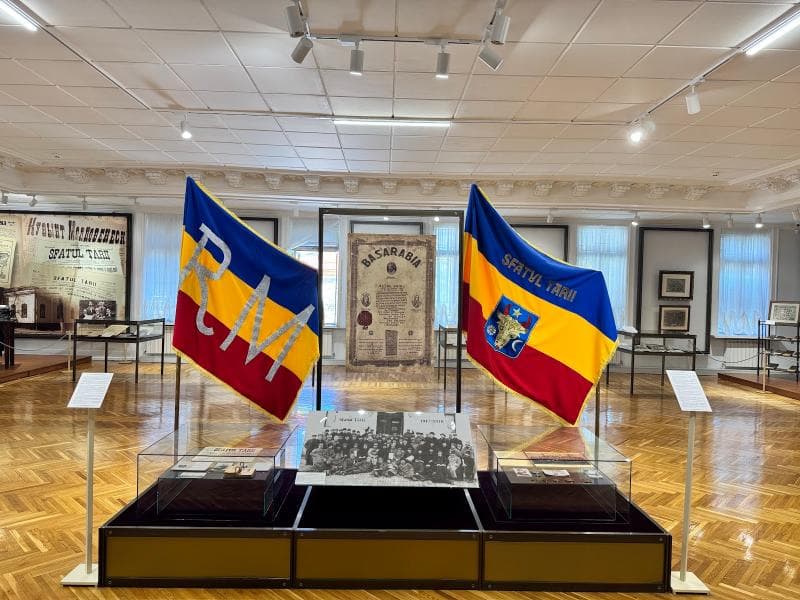
Explore the Archaeological Hall at the National Museum Of History Of Moldova in Chisinau, Moldova, featuring artifacts from the Paleolithic to the Middle Ages.
Overview
Step into the Archaeological Hall within the National Museum Of History Of Moldova in Chisinau and embark on a profound journey through millennia of human history. This significant section of the museum is a cornerstone of its permanent exhibition, meticulously showcasing the archaeological heritage of Moldova from the Paleolithic era to the Middle Ages. [3, 24, 29, 30] It is here that the ancient narratives of the land between the Prut and Dniester rivers truly come alive, offering a vivid tapestry of early civilizations, their daily lives, and their enduring legacy. With over 47,000 archaeological objects, this hall presents a compelling and comprehensive view of the region's past. [17, 25, 30]
The exhibits are designed to immerse visitors in the atmosphere of different historical periods, featuring authentic artifacts that impartially illustrate the economic, cultural, political, and social development of human society in this geographic area. [10, 28] From the earliest stone tools fashioned by prehistoric inhabitants to the intricate metalwork of later cultures, the Archaeological Hall provides a detailed and engaging exploration of Moldova's deep historical roots. [17, 30]
History & Cultural Background
The National Museum Of History Of Moldova, established in 1983, became the principal custodian of the nation's historical and archaeological treasures. [3, 29, 33] A pivotal moment in the formation of its impressive archaeological collection occurred in 2006-2007 when the former Museum of Archaeology of the Academy of Sciences of Moldova was integrated, significantly enriching the museum's holdings and scientific prestige. [25, 29, 33]
The region's archaeological story begins with some of Europe's most ancient cultures, notably the Cucuteni-Trypillian culture, which flourished during the Neolithic and Chalcolithic periods (approximately 5050 to 2950 BC). [32, 35] This remarkable civilization, centered on modern-day Moldova and extending into Ukraine and Romania, was highly advanced for its time, known for its elaborate painted ceramics and large proto-urban settlements. [32, 37, 38] Subsequent eras saw the influence of Dacian tribes, followed by the significant presence of the Roman Empire, leaving behind a wealth of artifacts that speak to extensive trade, cultural exchange, and military encounters. [8, 26] The Archaeological Hall meticulously traces these transitions, unveiling how successive cultures shaped the identity and heritage of Moldova.
What Makes It Special
The uniqueness of the Archaeological Hall lies not only in the sheer volume of its collection but also in the exceptional quality and historical significance of its artifacts. It houses a diverse array of objects including exquisitely carved and polished tools of flint, stone, bone, copper, bronze, and iron. [17, 30] Visitors can marvel at zoomorphic and anthropomorphic figurines, offering glimpses into ancient belief systems and artistic expressions. [17, 30]
Perhaps most captivating are the vibrant, polychrome ceramics of the Cucuteni-Trypillian culture. These vessels, renowned for their intricate spiral and meander motifs, showcase an unparalleled level of craftsmanship and artistic sophistication for their era. [37, 38] The hall also proudly displays ancient coins of Greek, Getae-Dacian, and Roman origin, providing tangible evidence of ancient economic systems and the region's integration into wider trade networks. [8, 30] This comprehensive display allows for a truly immersive understanding of the profound depth of Moldovan history, making it an essential stop for anyone wishing to connect with the ancient world.
Stories, Fun Facts & Local Details
- Europe's Ancient Innovators: The Cucuteni-Trypillian culture, prominently featured in the hall, is recognized as one of the oldest civilizations in Europe, predating the rise of settlements in Mesopotamia and Ancient Egypt by several centuries. [32, 35, 38] Imagine a society thousands of years ago, right here in Moldova, building settlements that were among the largest in Eurasia! [32, 38]
- The Mystery of the Burnt Villages: A peculiar practice of the Cucuteni-Trypillian people was the periodic burning of their entire settlements every 60-80 years. The reasons behind this ritualistic destruction remain a topic of fascinating debate among archaeologists – perhaps for renewal, sanitation, or spiritual beliefs. [32, 35]
- Treasures from the Depths: Among the hall's prized possessions is the Olanesti treasure, a significant find from the 5th century BC, hinting at the wealth and connections of the region's early inhabitants. [3] Such discoveries paint a picture of a vibrant, resourceful populace.
- Artistry in Clay: The distinct Cucuteni pottery, with its elaborate designs, wasn't just functional; it was a form of artistic expression. Archaeologists have found between 30 and 200 ceramic objects in every Trypillian home, from storage vessels to ritual bowls, all speaking to a highly developed ceramic tradition. [37, 38]
Visitor Perspective
For the curious traveler, visiting the Archaeological Hall is an experience of discovery, offering a tangible connection to the distant past. It's an opportunity to walk among artifacts that whisper tales of ancient hunters, skilled artisans, and early farmers who laid the foundations of Moldovan society. The meticulous curation and presentation of objects, from everyday tools to ceremonial items, facilitate a deep understanding of how life was lived in this corner of the world thousands of years ago. [10, 28]
As you explore, you'll gain appreciation for the ingenuity of the Cucuteni-Trypillian people, the resilience of Dacian communities, and the lasting impact of Roman civilization. This section of the National Museum Of History Of Moldova is not merely a display of old objects; it is a portal to the epic story of human endeavor and cultural evolution, inviting reflection on the continuous thread of history that binds us to our ancient ancestors in Chisinau. [8, 26]
Coordinates: 28.828067125159734, 47.022553566344016
View on Google Maps💬 How Travelers Describe This Place
Based on community votes
Unique
556Photogenic
470Must See
269Interesting
254Beautiful
145
Traveler Stories
Discover memorable experiences shared by travelers who have visited this place.
No traveler stories yet.
Be the first traveler to share what made this place memorable.

Tour
By
Spot
Discover amazing places around the world. Your journey starts here.
Explore
© 2026 TourBySpot. All rights reserved.