Arcades
Brussels, Belgium
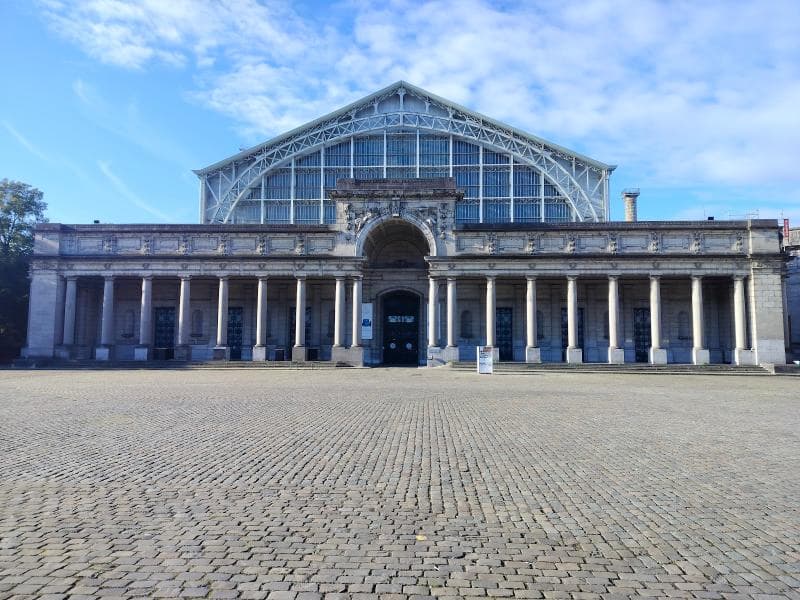
Discover the majestic Arcades du Cinquantenaire in Brussels, Belgium, an iconic triple arch symbolizing Belgian history and culture.
Overview
At the heart of Brussels, Belgium, nestled within the expansive Parc du Cinquantenaire, stands a majestic and iconic structure known as the Arcades du Cinquantenaire. This monumental triple arch, often simply called the Cinquantenaire Arch, serves as a striking gateway and a powerful symbol of Belgian national pride and architectural grandeur. It anchors a vast U-shaped complex of exhibition halls, forming a significant cultural hub in the European capital. Visitors approaching the park are immediately captivated by its classical elegance and imposing scale, making it an unforgettable landmark on Brussels' urban landscape.
History & Cultural Background
The story of the Arcades du Cinquantenaire begins with a celebration: the 50th anniversary of Belgian independence in 1880. To mark this significant milestone, King Leopold II envisioned a grand National Exhibition, transforming the former military exercise grounds known as the 'Linthout' plains into what would become the Parc du Cinquantenaire. The initial plans, drawn by Belgian architect Gédéon Bordiau, included a central monumental arch to connect two large exhibition palaces.
However, the project was plagued by financial difficulties and political disagreements. In 1880, only the foundations of the arch were complete, necessitating the construction of a temporary wooden arch for the exhibition. The full realization of Bordiau's vision seemed distant. King Leopold II, determined to see the monument completed, took an active role in pushing the project forward, sometimes even resorting to private financing through the 'Fondation de la Couronne'. After Bordiau's death in 1904, the French architect Charles Girault was commissioned to take over. Girault significantly modified the original plans, designing the imposing triple arch we see today. In a remarkable feat of engineering and speed, the grand arch was completed in just eight months and inaugurated on September 27, 1905, in time for the 75th anniversary of Belgium's independence.
What Makes It Special
The Cinquantenaire Arcades are a masterpiece of neoclassical architecture, designed to impress and inspire. The triple arch, measuring 30 meters wide and 45 meters high, is crowned by a magnificent bronze quadriga. This sculptural group depicts a female charioteer, symbolizing the Province of Brabant, raising the national flag, pulled by four horses.
Below the quadriga, at the foot of the arch, one can discover eight statues personifying the various Belgian provinces. These detailed figures, created by sculptors like Albert Desenfans, Charles van der Stappen, Jef Lambeaux, and Guillaume de Groot, add a layer of allegorical depth to the monument, celebrating the unity and diversity of the nation. Furthermore, the twelve spandrels of the arch are adorned with intricate allegories representing Arts and Industry, highlighting Belgium's cultural and economic achievements. The arch seamlessly connects the two grand exhibition halls, which now house several significant museums, including the Art & History Museum (formerly Cinquantenaire Museum), the Royal Museum of the Armed Forces and Military History, and Autoworld.
Stories, Fun Facts & Local Details
The journey to the Arcades' completion is a testament to perseverance. The initial temporary wooden arch, erected for the 1880 exhibition, stood as a placeholder for nearly two decades, a visible symbol of the ongoing financial and political debates surrounding the project. King Leopold II's personal commitment and willingness to secure funding, even from his private purse, underscore the immense importance he placed on this national monument.
A unique detail for curious travelers is the mosaic frieze that once decorated the originally open colonnade. This intricate artwork depicted the 'glorification of peaceful and heroic Belgium,' adding another layer of artistic storytelling to the monument's narrative. For a truly memorable experience, visitors can ascend to the top of the Arcades. Accessible via the Royal Military Museum located in the northern hall, this vantage point offers a spectacular panoramic view of Brussels, including the bustling European Quarter. It's a fantastic spot to gain perspective on the city's layout and admire the surrounding park.
Visitor Perspective
Visiting the Arcades du Cinquantenaire offers more than just a historical encounter; it's an immersive experience within one of Brussels' most beloved public spaces. The Parc du Cinquantenaire itself is a vast green oasis, providing ample opportunities for relaxation, leisurely strolls, and picnics, making it a popular spot for both locals and tourists. The imposing presence of the arch, flanked by its grand museum buildings, creates a sense of awe and wonder.
Whether you're exploring the rich collections inside the museums, enjoying the meticulously landscaped gardens, or simply gazing up at the detailed sculptures of the arch, the Cinquantenaire Arcades are a focal point of cultural and recreational activity. Its central location, easily accessible by public transport (metro stations Schuman and Merode are nearby), makes it a convenient and rewarding destination for anyone exploring Brussels. The Arcades stand not just as a monument to history, but as a living part of the city's vibrant present, inviting reflection and enjoyment.
Coordinates: 4.39278, 50.84056
View on Google Maps💬 How Travelers Describe This Place
Based on community votes
Unique
995Photogenic
839Beautiful
603Must See
581Interesting
388
Traveler Stories
Discover memorable experiences shared by travelers who have visited this place.
No traveler stories yet.
Be the first traveler to share what made this place memorable.

Tour
By
Spot
Discover amazing places around the world. Your journey starts here.
Explore
© 2026 TourBySpot. All rights reserved.