Applied Arts Exhibits
Geneva, Switzerland
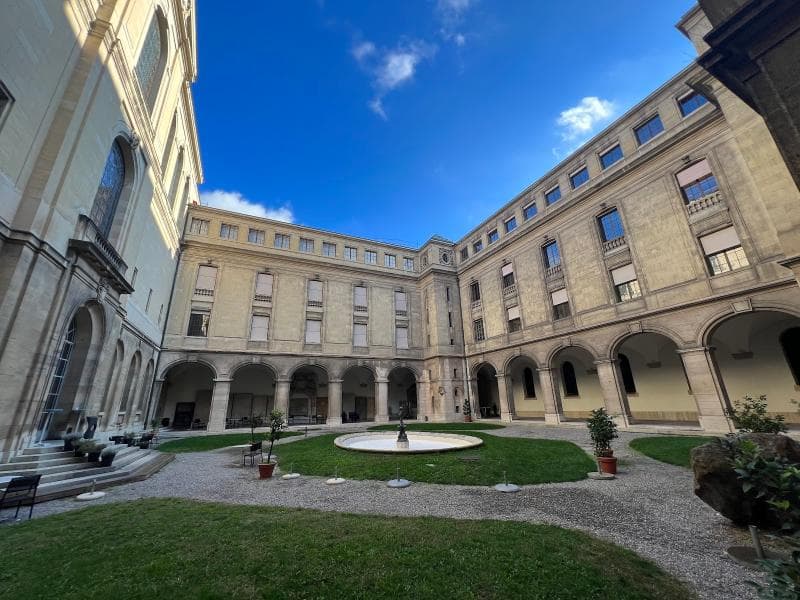
Discover the rich Applied Arts Exhibits at the Musée D’Art Et D’Histoire in Geneva, Switzerland, showcasing centuries of craftsmanship and historical treasures.
Overview
Nestled in the heart of Geneva, Switzerland, the Musée D’Art Et D’Histoire (Museum of Art and History) stands as a prominent cultural institution, being one of the largest encyclopedic museums in Switzerland. Its vast collection, numbering over 650,000 objects, spans archaeology, fine arts, and applied arts, offering a comprehensive journey through human creativity and history. The Applied Arts Exhibits form a captivating segment of this collection, inviting visitors to explore the intricate details of craftsmanship and daily life across millennia. These exhibits showcase how art intersects with utility, revealing the beauty and innovation embedded in objects used throughout history.
History & Cultural Background
The Musée D’Art Et D’Histoire was officially inaugurated in 1910, but its roots trace back much further, originating from the consolidation of various public collections. Prior to its grand opening, the city of Geneva had acquired the Musée des Beaux-Arts in 1851 and received the State of Geneva's weapons and historical artifacts in 1870. The continuous enlargement of these diverse holdings through donations in the latter half of the 19th century necessitated the creation of a new, larger museum space. Financed by a bequest from banker Charles Galland and designed by Genevan architect Marc Camoletti, the building was constructed between 1903 and 1910 to house these significant cultural treasures under one roof. The Applied Arts collection, with more than 23,000 objects, chronicles the evolution of craftsmanship from the Middle Ages to the 20th century, reflecting both Genevan and broader European artistic and technical developments.
What Makes It Special
The Applied Arts Exhibits at the Musée D’Art Et D’Histoire are distinguished by their incredible diversity and depth, providing a tangible link to the past through everyday and ceremonial objects. Visitors can marvel at an extensive array of Byzantine art, religious icons, and a formidable collection of weapons from the Middle Ages and Renaissance periods. Beyond these, the exhibits feature exquisite silverware, practical tinware, rare musical instruments, intricate textiles, and historical furniture. A truly unique highlight is the complete interior furnishing and authentic wood paneling from several rooms of the Lower Castle Zizers, dating back to the late 17th century. These meticulously reconstructed historical rooms offer an immersive experience, allowing a glimpse into the domestic and aristocratic life of centuries past. The collection's strength lies in its ability to present the evolution of technical skills and artistic trends through objects that were once integral to human activity.
Stories, Fun Facts & Local Details
Imagine stepping directly into a 17th-century Grisons castle as you explore the reconstructed rooms from Zizers. These spaces are not merely displays; they are carefully preserved environments complete with sculpted paneling, original earthenware stoves, and medieval stained-glass windows, transporting you to another era. The Armoury Room, for instance, not only displays arms from the late Middle Ages to the 18th century but also includes artifacts related to the Escalade of 1602, a pivotal moment in Genevan history when the city successfully repelled an attack by the Duke of Savoy. For music enthusiasts, a selection of the museum's 800 musical instruments, primarily string instruments from the late 16th to early 18th century, offers a 'musical interlude' showcasing the vibrancy of European Baroque instrument making. The silverware collection, rich in 18th and 19th-century French and Swiss pieces, alongside items from other European countries, North America, and Peru, subtly highlights Geneva's historical prominence as a center for luxury craftsmanship, particularly in watchmaking and jewelry, which often intertwine with applied arts. These carefully curated exhibits reveal not just objects, but stories of human ingenuity, cultural exchange, and daily existence.
Visitor Perspective
A visit to the Applied Arts Exhibits offers a profound appreciation for the artistic and cultural heritage housed within the Musée D’Art Et D’Histoire. These collections are distributed across various levels of the museum, including the mezzanine, and levels 0 and 1, with presentations often rotated to showcase the breadth of the holdings. This means that each visit can offer new discoveries, as only a portion of the extensive 23,000-object collection is on permanent display. As you wander through these sections, you'll gain insights into the domestic routines, decorative tastes, and technical advancements that shaped societies from the Middle Ages through to more recent times. The exhibits foster a sense of connection to the past, illustrating how everyday items were imbued with artistry and precision. Whether you are intrigued by historical weaponry, the elegance of period furniture, or the craftsmanship of ancient textiles, the Applied Arts provide a rich and engaging cultural experience that complements the museum's fine arts and archaeological treasures.
Coordinates: 6.151574, 46.199304
View on Google Maps💬 How Travelers Describe This Place
Based on community votes
Beautiful
995Interesting
839Must See
603Unique
388Photogenic
289
Traveler Stories
Discover memorable experiences shared by travelers who have visited this place.
No traveler stories yet.
Be the first traveler to share what made this place memorable.

Tour
By
Spot
Discover amazing places around the world. Your journey starts here.
Explore
© 2026 TourBySpot. All rights reserved.