Anime Shops
Tokyo, Japan
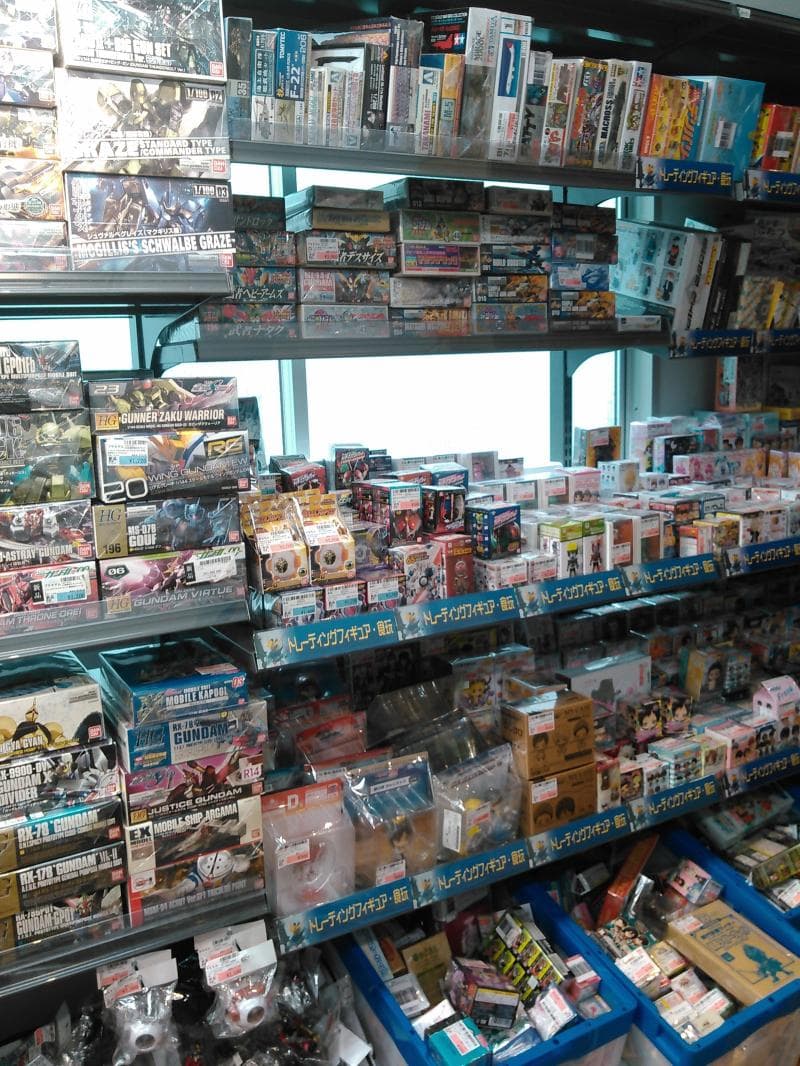
Explore Akihabara's iconic anime shops in Tokyo, Japan – a vibrant hub for otaku culture, rare collectibles, figures, manga, and unique Japanese pop culture experiences.
Overview
Akihabara, affectionately known as 'Akiba,' in Tokyo, Japan, stands as a vibrant beacon for enthusiasts of anime, manga, and Japanese pop culture. This iconic district, once renowned as 'Electric Town' for its concentration of electronics shops, has seamlessly transitioned into the undisputed global epicenter of 'otaku' culture. It is a sensory feast, where towering buildings adorned with colorful anime characters and pulsating neon signs create an urban landscape unlike any other. Visitors flock to Akihabara's anime shops to immerse themselves in a universe of merchandise, from rare collectibles and figures to manga, games, and exclusive character goods.
The area around Akihabara Station is a labyrinth of multi-story stores, each offering a unique slice of the anime world. Whether one is a seasoned collector or a curious newcomer, Akihabara provides an unparalleled shopping adventure, blending cutting-edge technology with the whimsical and imaginative realm of Japanese animation.
History & Cultural Background
Akihabara's transformation into the mecca of otaku culture is a fascinating journey rooted in its post-World War II history. Initially, the area emerged as a bustling black market for electronic components, earning it the nickname 'Electric Town.' As Japan's economy boomed in the 1960s and 70s, Akihabara became the primary destination for household appliances.
However, by the 1980s, with the rise of personal computers and the burgeoning popularity of anime and manga, Akihabara began to pivot. Shops shifted their focus to cater to computer enthusiasts and hobbyists, many of whom were also keen fans of anime and games. The mid-1990s, particularly with the impact of series like 'Neon Genesis Evangelion,' further propelled this shift, leading to an explosion of stores dedicated to anime and animation-related goods.
This organic evolution saw Akihabara embrace the 'otaku' identity, a term referring to individuals deeply devoted to anime, manga, and gaming. The district became a refuge and a celebratory space for these fans, fostering a unique subculture that has since gained global recognition.
What Makes It Special
What sets Akihabara's anime shops apart is not just the sheer volume and variety of merchandise, but the immersive experience they offer. These aren't merely retail outlets; they are destinations where fandom comes alive. Stores like Animate Akihabara, one of Japan's largest anime chains, provide everything from manga and Blu-rays to exclusive collaboration goods and voice actor merchandise.
For those hunting for rare or vintage treasures, Mandarake Complex, an eight-floor store, specializes in used anime merchandise, including retro manga, figures, cosplay costumes, and original animation cels, drawing serious collectors from around the world. Radio Kaikan, a landmark building, houses dozens of independent specialty shops selling figures, trading cards, and model kits across multiple floors, making it a paradise for collectors seeking limited-edition items. Kotobukiya Akihabara Store is another highlight, particularly for figure enthusiasts, showcasing high-quality anime and game figures, model kits, and often featuring impressive life-sized character statues.
Stories, Fun Facts & Local Details
Akihabara is replete with fascinating stories and unique cultural nuances. The term 'otaku,' though once carrying negative connotations, has been re-embraced and is proudly associated with the passionate fans who frequent Akihabara. The district's unique urban planning, with stores designed to be opaque and closed, reflects a desire for fans to fully immerse themselves in their anime worlds.
Beyond the major retailers, the back alleys of Akihabara hold hidden gems, with smaller, specialized shops often offering better deals on retro games, niche collectibles, and doujinshi (fan-made manga). The area is also famous for its gachapon halls, where hundreds of capsule toy machines offer a fun and affordable way to collect miniature figures and trinkets. The Akihabara Gachapon Hall is a popular spot with a vast selection.
On Sundays, Chuo Dori, Akihabara's main street, transforms into a pedestrian paradise, closed to vehicle traffic, allowing visitors to leisurely explore the shops and soak in the vibrant atmosphere without concern for cars.
Visitor Perspective
For any traveler exploring Akihabara, visiting the anime shops is an essential and overwhelming experience in the best possible way. The sheer density of stores, each bursting with colorful displays and merchandise, can be exhilarating. It's common to spend hours, or even a full day, getting lost in the various shops and discovering new treasures.
Many shops offer duty-free shopping for international visitors, which can be a significant benefit. While the main streets showcase the impressive visuals, venturing into the smaller side streets often reveals unique finds and a more intimate shopping experience. The area is highly accessible, with Akihabara Station serving multiple major train lines, making it easy to reach from anywhere in Tokyo. English-speaking staff are also increasingly common in the larger stores, catering to the growing number of international tourists.
Coordinates: 139.77312, 35.69836
View on Google Maps💬 How Travelers Describe This Place
Based on community votes
Interesting
836Photogenic
797Unique
255Must See
231Beautiful
86
Traveler Stories
Discover memorable experiences shared by travelers who have visited this place.
No traveler stories yet.
Be the first traveler to share what made this place memorable.

Tour
By
Spot
Discover amazing places around the world. Your journey starts here.
Explore
© 2026 TourBySpot. All rights reserved.