Ancient History Hall
Astana, Kazakhstan
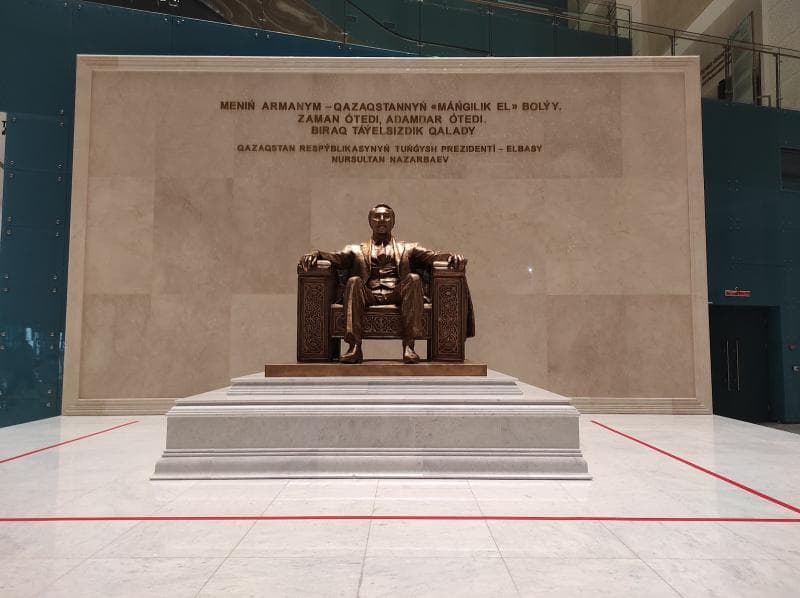
Explore the Hall of Ancient and Medieval History in Astana's National Museum of the Republic of Kazakhstan, showcasing archaeological treasures from the Stone Age to the Middle Ages.
Overview
Stepping into the Hall of Ancient and Medieval History at the National Museum of the Republic of Kazakhstan in Astana is like embarking on a captivating journey through millennia. This esteemed section of Central Asia's largest museum complex offers a comprehensive look at the human story within Kazakhstan, tracing civilizations from the earliest prehistoric times right through to the Middle Ages. The museum itself, inaugurated in July 2014, stands as a modern architectural marvel of blue glass and white marble, a fitting guardian of the nation's profound heritage.
The hall is a cornerstone of the National Museum, providing visitors with a rich tapestry of archaeological finds, cultural artifacts, and historical narratives that shaped the vast steppes of Kazakhstan. It's designed to illuminate the complex processes of human development, technological advancement, and cultural evolution that occurred in this pivotal Eurasian crossroads.
History & Cultural Background
The exhibition within the Hall of Ancient and Medieval History is meticulously arranged in chronological order, spanning four distinct periods: the Stone Age, the Bronze Age, the Early Iron Age, and the Middle Ages. This structured presentation allows for a clear understanding of the historical trajectory of Kazakhstan.
The Stone Age section unveils archaeological discoveries that shed light on the daily lives and early innovations of the first humans inhabiting this territory approximately one million years ago. A notable highlight is the inclusion of artifacts from the unique Botai culture of the Eneolithic period, recognized for its significant role in the genesis of nomadic civilization.
Moving into the Bronze Age, visitors encounter an array of weapons, tools, and intricate jewelry. These pieces are not merely relics; they reflect the sophisticated economic practices, military prowess, and profound spiritual beliefs of ancient ancestors. Evidence of advanced metallurgical and metal-casting craftsmanship from this era underscores the high level of technological development achieved on Kazakhstan's lands.
The Early Iron Age is largely defined by the emergence of powerful Saka societies, renowned for their equestrian culture and distinctive 'animal style' art. The hall showcases horse equipment, weaponry, and artworks that convey the worldview and military strength of these ancient nomads. Many artifacts from this period, including exquisite gold items, highlight the rich cultural importance of the time.
Finally, the Middle Ages section explores the evolution of trade, urban centers, and the sophisticated craftsmanship that characterized historic cities along the Great Silk Road. It delves into the history and culture of the ancient Turks, presenting their ethnogenesis, the legendary Ashina clan, and the establishment of the formidable Turkic Khaganate, which played a crucial role in shaping Eurasia's political and civilizational landscape.
What Makes It Special
What sets the Hall of Ancient and Medieval History apart is its comprehensive scope and the quality of its exhibits. It houses nearly 5,000 artifacts that collectively tell a story spanning immense stretches of time. The exhibition traces human civilization from rudimentary stone tools to the advanced cultural achievements of the Great Steppe. The hall masterfully combines traditional archaeological displays with interactive technologies, including touch-screen devices and multimedia kiosks, providing visitors with deeper context and engaging explanations.
The sheer variety of artifacts—from ancient ceramics and numismatics to intricate gold ornaments and detailed historical tools—offers a tangible connection to the past. The focus on the Botai culture's contribution to horse domestication and the distinctive 'animal style' art of the Saka period provides unique insights into the innovative spirit and artistic expression of early Kazakhstani inhabitants.
Stories, Fun Facts & Local Details
One of the most fascinating aspects highlighted in this hall is the Botai culture. Dating back to 3700-3100 BC, some researchers propose that the Botai people were the first in the world to domesticate horses. This pivotal development, which occurred on Kazakhstani soil, profoundly accelerated human progress and gave rise to the equestrian culture that defined the Great Steppe. Imagine a time when the domestication of a horse was as revolutionary as the invention of the wheel; this hall brings that era to life.
Another captivating element is the 'animal style' art prevalent during the Saka period. This artistic tradition features stylized depictions of animals, often mythical, adorning everything from weaponry to jewelry. It reflects a deep spiritual connection to nature and a sophisticated artistic sensibility among these ancient nomadic tribes. Recent discoveries continue to enrich the museum's collections, including newly repatriated Saka-era gold artifacts featuring winged lions and horned animals, further enhancing the narrative of these ancient peoples.
The Hall also subtly introduces the concept of the 'Great Steppe,' a term that evokes the vastness and historical significance of the Central Asian plains as a cradle of nomadic empires and cultural exchange, a concept deeply ingrained in Kazakhstan's identity.
Visitor Perspective
For the curious traveler, the Hall of Ancient and Medieval History offers an immersive educational experience. The chronological layout ensures a natural narrative flow, making it easy to follow the evolution of human civilization in Kazakhstan. The exhibits are well-curated, with clear signage often available in multiple languages, including Kazakh, Russian, and English.
Interactive displays complement the physical artifacts, allowing visitors to delve deeper into specific topics or examine objects in greater detail. Whether you're a history enthusiast or simply looking to understand the roots of modern Kazakhstan, this hall provides an engaging and enlightening visit. It serves not just as a display of artifacts, but as a bridge connecting contemporary Kazakhstan with its ancient nomadic past, fostering a profound appreciation for its rich cultural heritage. Allow ample time to explore, as the depth of information and the sheer volume of artifacts merit unhurried contemplation.
Coordinates: 71.471944, 51.118056
View on Google Maps💬 How Travelers Describe This Place
Based on community votes
Unique
886Interesting
564Must See
443Beautiful
233Photogenic
201
Traveler Stories
Discover memorable experiences shared by travelers who have visited this place.
No traveler stories yet.
Be the first traveler to share what made this place memorable.

Tour
By
Spot
Discover amazing places around the world. Your journey starts here.
Explore
© 2026 TourBySpot. All rights reserved.