Ancient Hajj Artifacts Collection
Mecca, Saudi Arabia
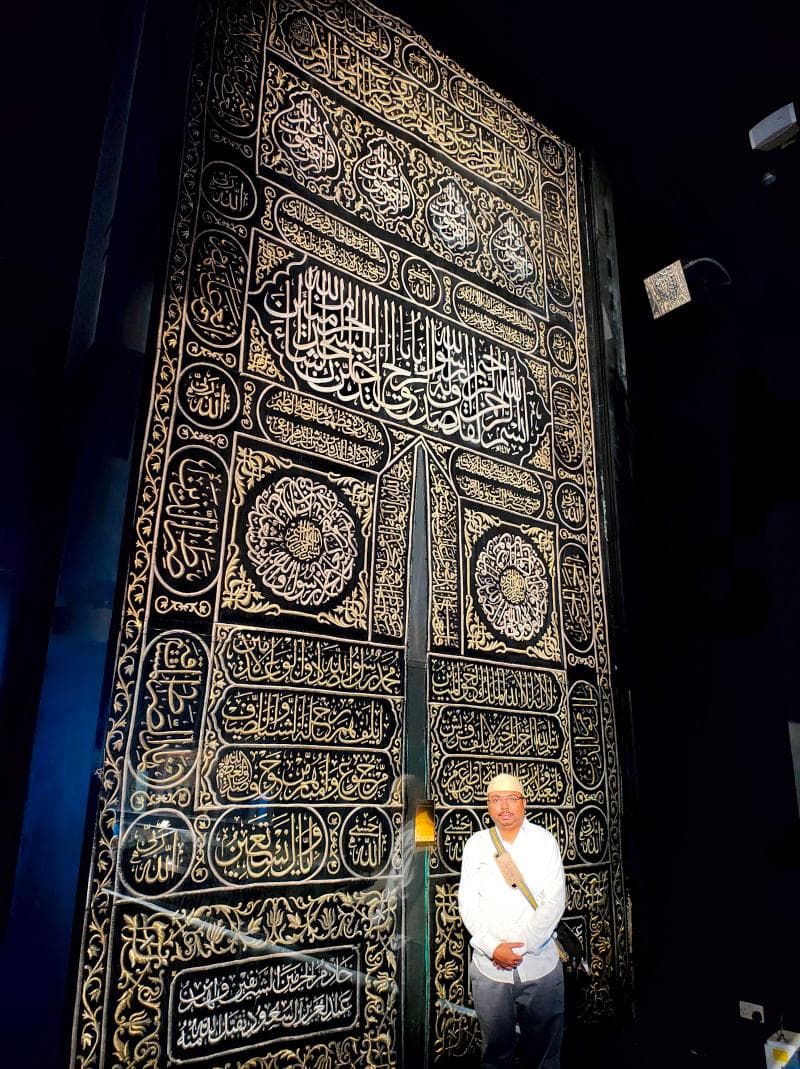
Explore the Ancient Hajj Artifacts Collection in Mecca, Saudi Arabia, at museums like the Makkah Al-Mukarramah Museum, revealing centuries of pilgrimage history.
Overview
Embark on a profound historical and spiritual journey through the Ancient Hajj Artifacts Collection, prominently featured within Makkah's esteemed museums, most notably the Makkah Al-Mukarramah Museum (Al-Zaher Palace Museum) and the Exhibition of the Two Holy Mosques Architecture. While not a single, distinct sub-spot, these collections collectively offer an unparalleled glimpse into the centuries-old pilgrimage to Mecca. Here, ancient relics, historical documents, and artistic renditions come together to narrate the epic tale of Hajj, a spiritual voyage undertaken by millions across generations.
These significant cultural institutions act as custodians of Islamic heritage, meticulously preserving objects that bear witness to the devotion, challenges, and rich cultural exchanges associated with the Hajj. Visitors can explore a diverse array of items, from personal effects of pilgrims to architectural components of the Grand Mosque, providing a tangible connection to the spiritual heart of Islam.
History & Cultural Background
The Hajj, an annual pilgrimage to Mecca, is one of the five pillars of Islam, obliging every Muslim who is able to undertake it at least once in their lifetime. Its origins trace back to antiquity, and over the millennia, it has shaped trade routes, fostered cultural exchange, and inspired countless acts of faith and artistry. The artifacts housed in Makkah's museums illuminate this rich history, charting the evolution of the pilgrimage from early caravans to modern times.
These collections often include items discovered along ancient Hajj routes, offering insights into the daily lives, challenges, and ingenuity of travelers. Archaeological findings have uncovered a wide range of objects, such as pottery fragments, glass items, stone tools, and metal pieces, reflecting the diverse origins and experiences of pilgrims. The narrative woven through these artifacts underscores Makkah's enduring role as a pivotal spiritual and cultural nexus.
What Makes It Special
The true marvel of the Ancient Hajj Artifacts Collection lies in its ability to bring history to life, connecting visitors directly to the profound spiritual and logistical undertaking of the Hajj. Among the most revered items are historical components of the Kaaba and the Grand Mosque itself. These include ancient wooden pillars, portions of the Kaaba's door, and parts of the historic water spout (Mizab) that channels rainwater from its roof.
The museums also display priceless manuscripts, including rare copies of the Holy Quran, some dating back over 1,400 years, offering a direct link to early Islamic scholarship and calligraphy. Beyond these sacred architectural pieces and texts, visitors will find intricate textiles like sections of the Kiswa, the elaborately embroidered cloth that drapes the Kaaba, showcasing the remarkable craftsmanship and reverence dedicated to these holy sites.
Stories, Fun Facts & Local Details
Imagine the arduous journeys of past pilgrims, often traveling for months or even years. The collections feature maps of historic Hajj routes, highlighting the fortresses and rest stops that dotted these perilous paths, underscoring the sheer determination and faith required. A particularly interesting artifact found in some collections is a pure gold plaque that once adorned the top of the Holy Kaaba's gate, dating back more than three centuries, intricately engraved with Quranic verses.
Another fascinating aspect is the evolution of items used for worship and daily life. You might encounter historical implements for carrying Zamzam water, old currencies, and even photographic records from the late 19th and early 20th centuries, which were among the first visual documentations of the pilgrimage. These objects aren't just inanimate displays; they are storytellers, echoing the prayers, hopes, and sacrifices of countless individuals who embarked on this sacred journey.
Visitor Perspective
Visiting the Ancient Hajj Artifacts Collection in Makkah's museums offers a deeply enriching and reflective experience. It provides context and depth to the spiritual practices observed during Hajj and Umrah, allowing one to appreciate the continuity of tradition and the immense human effort involved over centuries. The exhibitions are designed to be informative, often featuring advanced digital displays and multimedia presentations, making complex historical narratives accessible to a global audience.
For pilgrims, it's an opportunity to connect with the heritage of their faith on a profound level, deepening their understanding and appreciation of the holy sites they visit. For other visitors, it offers a window into the rich Islamic civilization and the cultural tapestry woven around one of the world's largest annual gatherings. It's a journey through time, revealing the enduring legacy of Hajj and Makkah's central role in shaping human history and spirituality.
Coordinates: 39.82563, 21.42664
View on Google Maps💬 How Travelers Describe This Place
Based on community votes
Beautiful
836Unique
797Photogenic
396Interesting
286Must See
255
Traveler Stories
Discover memorable experiences shared by travelers who have visited this place.
No traveler stories yet.
Be the first traveler to share what made this place memorable.

Tour
By
Spot
Discover amazing places around the world. Your journey starts here.
Explore
© 2026 TourBySpot. All rights reserved.