Amphitheatre
Warsaw, Poland
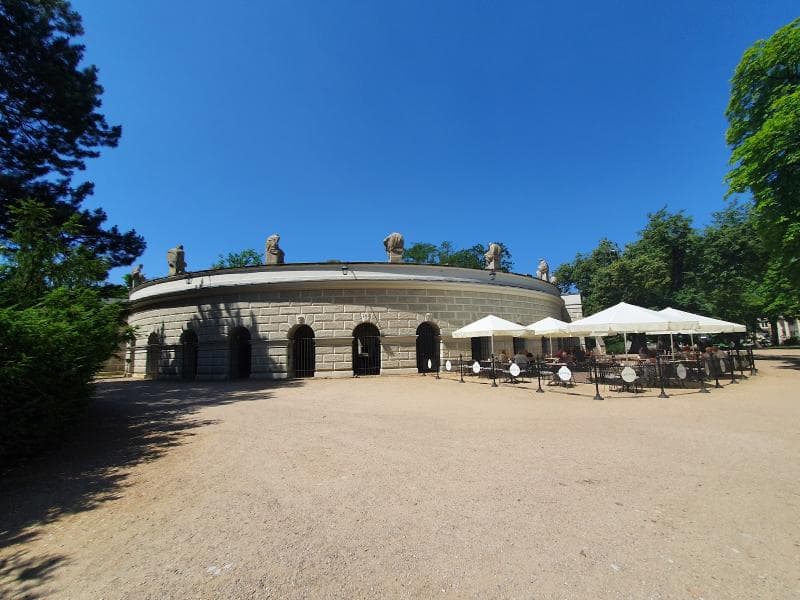
Explore the historic Amphitheatre in Lazienki Park, Warsaw, Poland. Discover its unique 18th-century open-air design, island stage, and rich cultural heritage.
Overview
Nestled within the sprawling, verdant expanse of Lazienki Park in Warsaw, Poland, visitors will discover the unique and captivating Amphitheatre. This eighteenth-century open-air theatre is an architectural marvel, distinguished by its classical Roman design and a stage ingeniously set upon a small island in the park's south pond. It offers a picturesque fusion of historical grandeur and natural beauty, making it a prominent cultural landmark in the heart of the Polish capital. The Amphitheatre stands as a testament to the artistic vision of its creators and continues to serve as a vibrant venue for performances, drawing curious travelers into its serene embrace.
History & Cultural Background
The Amphitheatre's construction took place between 1790 and 1793, under the patronage of Poland's last monarch, King Stanisław August Poniatowski. The design was conceived by the Dresden-born royal architect, Jan Chrystian Kamsetzer, who drew inspiration from ancient Greek and Roman architecture. Prior to this permanent stone structure, a temporary earthen amphitheatre with a canvas roof had existed on the same site in the 1780s. The grand opening of the new Amphitheatre was a significant cultural event, held on September 7, 1791, coinciding with the anniversary of King Stanisław August's election. The inaugural performance was a historical ballet titled 'Cleopatra,' a spectacle particularly suited to the waterside setting. Originally, the attic of the auditorium was adorned with sixteen statues depicting famous ancient and early modern poets and playwrights. These deteriorated over time and were replaced in the 1920s by eight sculptures of poets by Stanisław Jakubowski.
What Makes It Special
What truly sets the Lazienki Park Amphitheatre apart is its distinctive design, which masterfully blends the motif of ancient ruins with the function of an active open-air theatre. It is considered a rare, and perhaps the only, eighteenth-century European garden theatre of its kind. The stage, located on an island and connected to the semi-circular stone auditorium by a water channel, features elaborate decorations that mimic the decaying ruins of the Roman Forum or ancient Herculaneum, creating an evocative and timeless atmosphere. This architectural conceit was fashionable during the Enlightenment period, aiming to transport spectators to classical antiquity. The Amphitheatre holds the unique distinction of being one of only two royal theatre stages still standing in Poland and stands out across Europe for its particular blend of historical architecture, natural scenery, and artistic purpose. The monument recently underwent an extensive, two-year conservation renovation, reopening in May 2026, restoring its full functionality and aesthetic appeal while preserving its historical character.
Stories, Fun Facts & Local Details
The theatrical tradition at the Amphitheatre is rich with intriguing details. The inaugural 'Cleopatra' ballet famously incorporated the water setting, with the plot featuring sea battles and actors sometimes arriving on stage by boat. This created an immersive experience for the nearly one thousand spectators the theatre could accommodate. The artificial signs of decay in the stage's architecture were intentionally crafted to evoke the ambiance of ancient ruins, a fascinating detail reflecting the period's romantic fascination with the past. While the original sixteen statues on the attic are gone, the eight contemporary sculptures by Stanisław Jakubowski now appear as if they are part of the audience, observing the performances from the back row, adding a playful, self-referential touch to the venue. Throughout its history, the Amphitheatre has hosted a diverse array of events, from Enlightenment-era theatrical productions and classical concerts to opera, oratorio, and state ceremonies, cementing its role as a vital cultural hub.
Visitor Perspective
Visiting the Amphitheatre in Lazienki Park offers a truly distinctive cultural experience. Even when no performance is scheduled, the site is freely viewable from the surrounding paths, allowing travelers to admire its unique architecture and serene setting. The combination of the tranquil lake, the island stage adorned with its faux ruins, and the classical auditorium creates a powerful sense of stepping back in time. It's a place where history feels alive, where one can easily imagine King Stanisław August and his court enjoying a performance under the open sky. The ongoing commitment to utilizing the Amphitheatre for summer performances and various cultural events ensures that this historical monument remains a dynamic and engaging space for contemporary audiences, truly positioning Lazienki Park as a living cultural platform.
Coordinates: 21.0331, 52.2127
View on Google Maps💬 How Travelers Describe This Place
Based on community votes
Beautiful
898Unique
667Must See
308Photogenic
190Interesting
32
Traveler Stories
Discover memorable experiences shared by travelers who have visited this place.
No traveler stories yet.
Be the first traveler to share what made this place memorable.

Tour
By
Spot
Discover amazing places around the world. Your journey starts here.
Explore
© 2026 TourBySpot. All rights reserved.