African Zone
Chiang Mai, Thailand
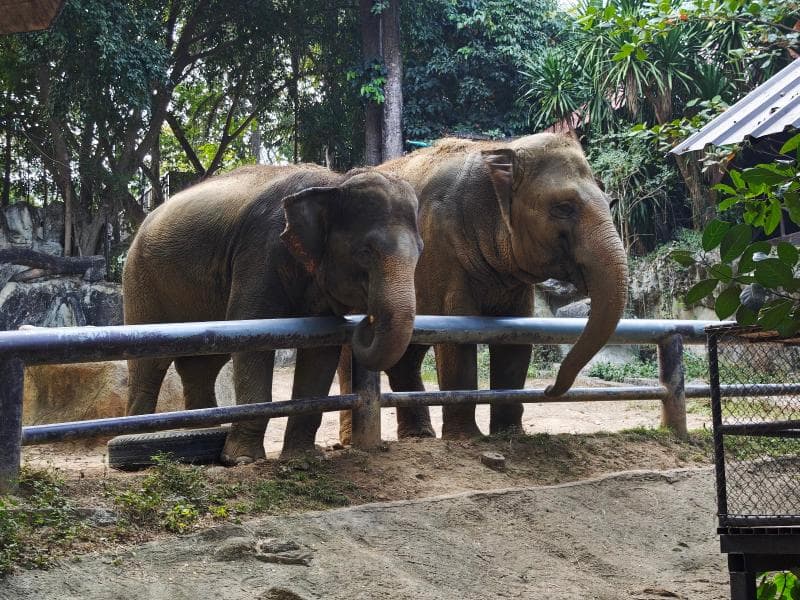
Explore the African Zone at Chiang Mai Zoo in Chiang Mai, Thailand. Discover giraffes, zebras, and ostriches roaming in natural habitats, offering unique wildlife encounters and educational insights.
Overview
Nestled at the foothills of the scenic Doi Suthep mountain in Chiang Mai, Thailand, the Chiang Mai Zoo is a sprawling 200-acre (81-hectare) wildlife sanctuary. Within this expansive setting lies the captivating African Zone, a dedicated area designed to transport visitors to the vast, open plains of the African savanna. This immersive sub-spot is part of the larger Huaykaew Zone, which serves as the initial entrance point to the zoo and primarily features animals native to Africa. The African Zone meticulously recreates the open flatlands and grassy areas characteristic of regions south of the Sahara Desert, offering a unique opportunity to observe iconic African herbivores in an environment that encourages their natural behaviors.
Here, you'll encounter a vibrant collection of species, including the stately giraffes, the strikingly striped zebras, and the impressively large ostriches. These animals are often seen wandering freely within their spacious enclosures, separated from visitors by strategically placed, sometimes low, walls that provide an intimate viewing experience. The design emphasizes simulating natural habitats, promoting animal welfare through ample space and environmental enrichment.
History & Cultural Background
The story of Chiang Mai Zoo, and by extension its African Zone, begins in 1950 with Harold Mason Young, an American missionary's son born in Burma. Young developed a profound passion for rescuing injured animals. His growing collection eventually attracted visitors, leading to the informal establishment of a private zoo. By 1957, the Chiang Mai provincial administration officially allocated 24 acres at the base of Doi Suthep for this burgeoning animal sanctuary, opening it to the public.
Following Young's passing in 1974, the property transitioned to the Chiang Mai Province. In 1977, it was officially expanded to its current 200-acre footprint and became a government-operated institution under the Zoological Park Organization. This transformation marked a significant step in developing the zoo into a prominent conservation and educational center. The creation of specialized exhibits like the African Zone reflects a global approach to wildlife conservation, bringing a piece of the African continent's rich biodiversity to northern Thailand for both educational purposes and public enjoyment. The African Zone, in particular, represents an effort to showcase and educate visitors about these magnificent creatures and their natural ecosystems.
What Makes It Special
The African Zone distinguishes itself through its dedication to recreating an authentic savanna landscape. Instead of traditional, restrictive cages, the zone features expansive fields where animals like giraffes, zebras, and hippos can roam with a remarkable degree of freedom. This design philosophy allows for a more natural and dynamic viewing experience, giving visitors a glimpse into how these animals interact within a broader habitat.
A key aspect that makes this zone special is the opportunity for close encounters. While safety remains paramount, the thoughtful design, often utilizing relatively low walls, allows visitors to observe these impressive African animals at close quarters. Beyond mere observation, guests can often participate in feeding some of these popular animals with special food purchased at the zoo, creating memorable and interactive moments that foster a deeper connection with the wildlife. The focus on spacious, open-air enclosures not only enhances the visitor experience but also significantly contributes to the animals' welfare by mimicking their native environments.
Stories, Fun Facts & Local Details
- The Ostriches: These giants are the world's largest birds, though they cannot fly, they are incredibly fast runners. Ostriches are known for their vigilance, often living in groups with zebras and giraffes, acting as an early warning system against predators. A fun fact is that male ostriches can imitate a lion's sound and control multiple female ostriches. They also have a peculiar habit of eating 'odd matters,' especially reflective objects.
- The Giraffes: As the tallest terrestrial animals, giraffes are a majestic sight. They live in social groups known as a 'tower' and are often seen grazing alongside other herbivores. A fascinating detail is that their calves can stand and run within days of birth, a crucial adaptation for survival in the wild.
- The Zebras: Famous for their distinctive stripes, zebras often graze alongside ostriches and giraffes. They sometimes carry bug-eating birds on their backs, benefiting from a symbiotic relationship. Despite their relatively poor eyesight, zebras have acute senses of smell and hearing, making the taller ostriches and giraffes their natural alarm systems.
The African Zone, sometimes referred to as part of the Huaykaew Zone, is one of the first areas visitors encounter, setting an exciting tone for the entire zoo experience. It embodies the zoo's broader commitment to providing diverse wildlife exhibits that are both educational and entertaining.
Visitor Perspective
For the curious traveler, visiting the African Zone offers a truly enriching experience. The design allows for an immersive journey, making you feel as though you've stepped directly onto the African plains. Observing giraffes gracefully reaching for leaves or zebras galloping across the landscape creates an authentic sense of wonder. The possibility of feeding certain animals adds a personal touch, allowing for a unique interaction that transcends typical zoo visits.
Given the vastness of the Chiang Mai Zoo, which is situated on undulating terrain, visitors will find that service cars or trams are available to navigate between sections, including the African Zone. This transportation option ensures that exploring this large and hilly complex remains comfortable and accessible, allowing everyone to fully enjoy the diverse wildlife without undue fatigue. The African Zone is particularly well-suited for families, offering a blend of fun and learning that engages all ages and leaves a lasting impression of Africa's incredible wildlife.
Coordinates: 98.947, 18.809
View on Google Maps💬 How Travelers Describe This Place
Based on community votes
Photogenic
894Beautiful
748Interesting
304Must See
73Unique
35
Traveler Stories
Discover memorable experiences shared by travelers who have visited this place.
No traveler stories yet.
Be the first traveler to share what made this place memorable.

Tour
By
Spot
Discover amazing places around the world. Your journey starts here.
Explore
© 2026 TourBySpot. All rights reserved.